
In the world of fluid control, gate valves play a crucial role. These valves, known for their durability and effectiveness, are essential in various industrial applications. According to a report by MarketsandMarkets, the global gate valve market is projected to reach $8.09 billion by 2025. This growth highlights the increasing demand for reliable fluid management solutions.
Dr. Emily Chen, a respected expert in valve technology, emphasizes the importance of choosing the right valve. “Quality gate valves ensure optimal performance in demanding environments,” she states. This sentiment is echoed in industry practices, where efficiency and reliability are imperative.
However, not all gate valves are created equal. Selecting the right model can be challenging. Factors like material, pressure rating, and operating conditions significantly influence performance. The complexity of these variables can lead to significant cost implications if misjudged. Understanding the nuances of gate valves is essential for effective project outcomes.
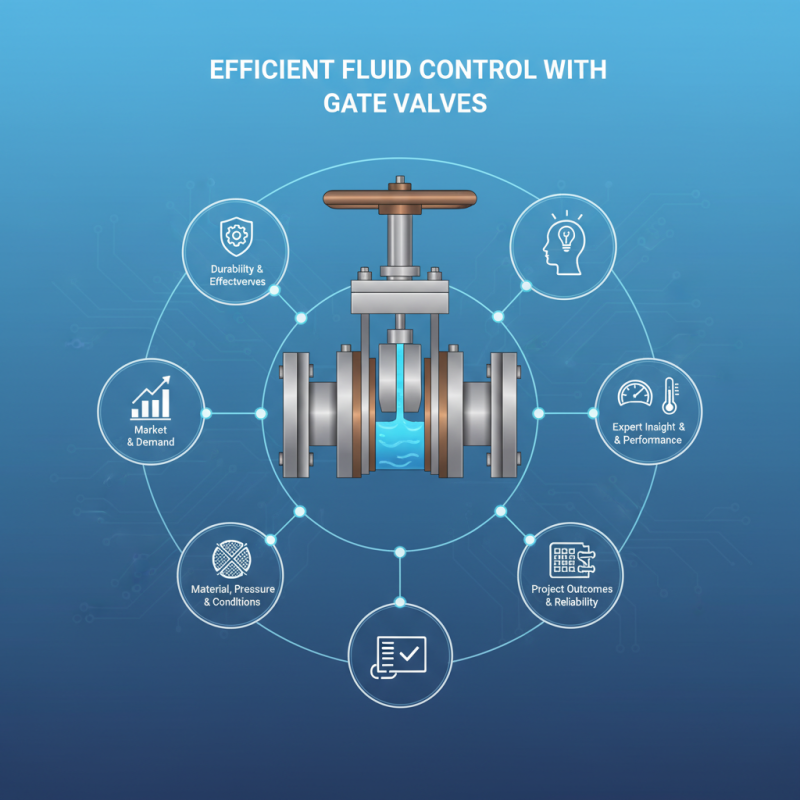
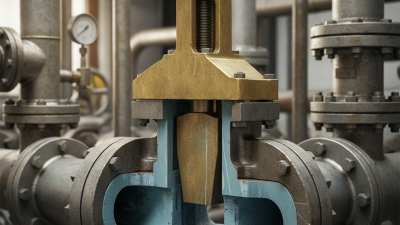
Gate valves play a crucial role in fluid control systems. They allow for the isolation of flow in pipelines, making them essential in various applications. Understanding the types of gate valves helps in selecting the right one for your project. For instance, cast iron gate valves are durable and often used in waterworks, while stainless steel options suit high-pressure environments.
Wedge gate valves are among the most common types. They provide a tight seal and minimize leakage. This is important in systems where fluid loss can lead to increased costs. On the other hand, knife gate valves excel in handling slurries and viscous fluids. Their design allows for easy cleaning and maintenance, which is a significant advantage in specific industries.
It’s important to reflect on the installation and maintenance aspects of gate valves. Improper installation can lead to failures or inefficient operation. Regular inspections ensure valve performance. While gate valves are reliable, they are not suitable for throttling applications. Using them inappropriately can result in reduced lifespan and increased operational costs. A good understanding of these aspects can greatly enhance efficiency in your projects.
| Type of Gate Valve | Material | Nominal Size (inches) | Pressure Rating (psi) | Applications |
|---|---|---|---|---|
| Wedge Gate Valve | Cast Iron | 2 | 150 | Water supply systems |
| Parallel Gate Valve | Stainless Steel | 6 | 300 | Chemical processing |
| Slab Gate Valve | Bronze | 4 | 150 | Oil and gas |
| Knife Gate Valve | Carbon Steel | 3 | 150 | Slurry applications |
| Split Gate Valve | Ductile Iron | 10 | 150 | Water treatment |
| V-notch Gate Valve | PVC | 1.5 | 125 | Irrigation systems |
| Rising Stem Gate Valve | Stainless Steel | 8 | 600 | Power plants |
| Non-rising Stem Gate Valve | Carbon Steel | 12 | 300 | Industrial applications |
| Butterfly Gate Valve | PVC | 3 | 150 | HVAC systems |
| Ductile Iron Gate Valve | Ductile Iron | 14 | 250 | Fire protection systems |
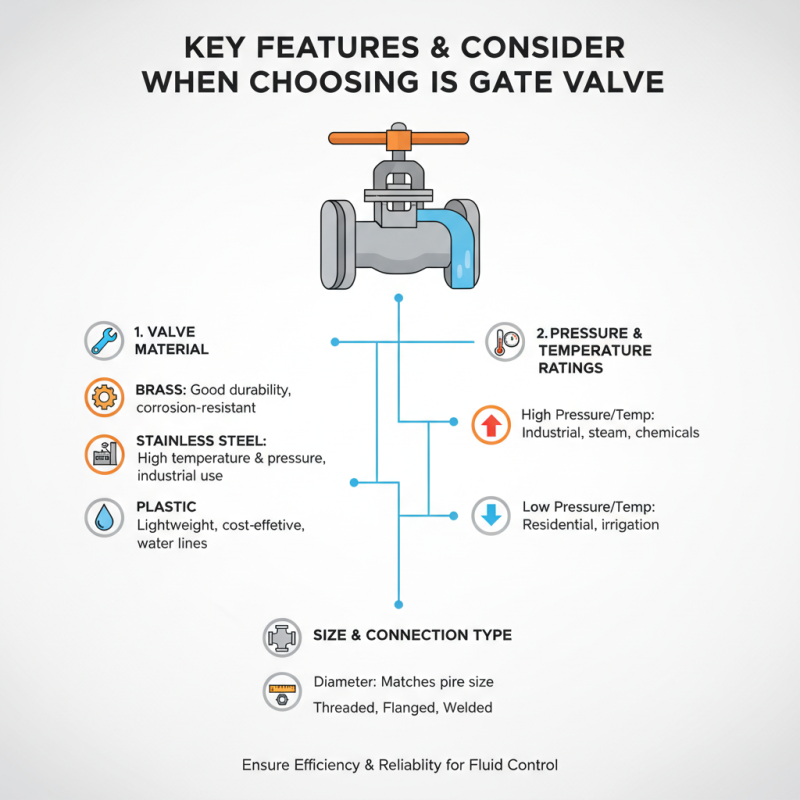
When selecting a gate valve for fluid control in projects, several key features are essential to ensure efficiency and reliability. One critical aspect is the valve material. Common materials include brass, stainless steel, and plastic. Each material offers different durability and corrosion resistance. For example, stainless steel valves can endure high temperatures and pressures, making them ideal for industrial applications. In contrast, plastic valves are lightweight and cost-effective, suitable for regular water lines.
Another important feature is the valve size and connection type. Proper sizing ensures minimal flow resistance and optimal performance. The connection type, whether threaded or flanged, impacts ease of installation. A report from the American Journal of Fluid Mechanics highlights that improperly sized valves can lead to a significant drop in system efficiency by up to 30%. This inefficiency can accumulate in larger systems, impacting overall project performance.
The seal design plays a vital role in preventing leaks. A well-designed seal minimizes the chances of fluid loss while maintaining pressure. Additionally, consider the valve's operating mechanism. Manual valves require physical effort to operate, while automated valves provide more convenience.
In conclusion, these features significantly affect gate valve performance. Making informed choices based on your project's specific needs is essential. At the end of the day, even experienced professionals can overlook these details, impacting overall efficiency.
When selecting gate valves for your projects, efficiency is key. These components play a vital role in fluid control systems. They are designed to provide a tight seal and minimal pressure drop, making them suitable for high-pressure applications. Understanding various specifications can help you pick the right option for your needs.
Consider the materials used in gate valves. Options like cast iron, stainless steel, and bronze offer different strength and durability levels. Each material has its pros and cons. Stainless steel, for instance, excels in corrosive environments, but it can be pricier. In contrast, cast iron is cost-effective yet can be susceptible to rust over time.
The size and design of the valve also matter. A valve that is too small might restrict flow, while one that is too large can create leaks. If you are unsure, conducting a flow analysis can be beneficial. Take the time to assess your specific project's demands. This way, you’ll ensure a long-lasting and effective solution for fluid management in your systems.
This chart represents the flow rate efficiency of the top 10 gate valves recommended for various projects.
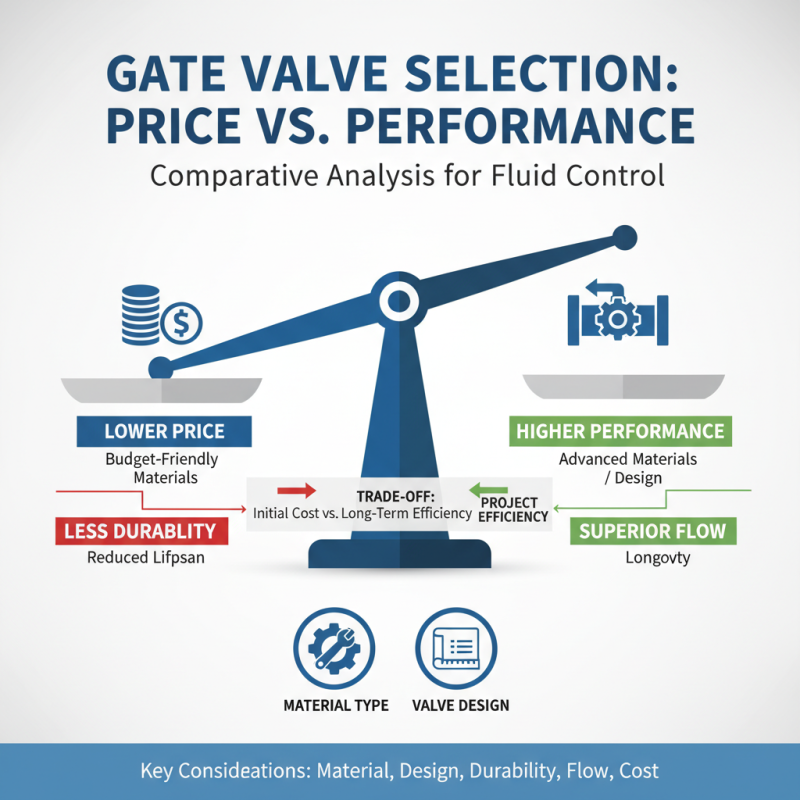
When selecting gate valves for fluid control, analyzing pricing and performance is crucial. Various valves provide different advantages depending on the material and design. Some may offer superior flow characteristics but come at a higher cost. Others might be budget-friendly yet lack durability. This trade-off can significantly affect project efficiency.
Performance metrics include pressure handling and flow rate capacity. Some valves excel in high-pressure situations but are costly. Conversely, more affordable options might underperform under similar conditions. It's not uncommon to find a valve that works well in controlled settings but fails in real-world applications. Understanding these nuances is essential for making informed decisions.
Investing in a gate valve should involve careful consideration of both style and price. Cheap valves may seem appealing at first glance. However, they may not sustain long-term usage in demanding environments. Weighing these factors against project requirements is vital. A flawed choice can lead to costly reworks or equipment failures. Aim for a balance that suits both your performance expectations and budget constraints.
Maintaining gate valves is crucial for optimal performance. Regular inspections can catch early signs of wear or damage. Check for leaks and corrosion, as these can lead to bigger issues down the line. Document your findings for reference.
Lubrication is key. Apply a suitable lubricant to the valve stem regularly. This helps prevent rust and ensures smooth operation. Dirt and debris can accumulate, so keep the valve clean. It may be tempting to overlook this step, but neglect can shorten the valve's lifespan.
Temperature fluctuations can affect performance. Ensure your gate valves are suitable for the environment they operate in. High temperatures or extreme cold can impact seals. It is important to make adjustments as needed. Addressing these factors can enhance reliability and efficiency.