


Cooling equipment is working harder as global temperatures rise. The IEA’s Future of Cooling report projects that space-cooling electricity demand could more than triple by 2050 without stronger efficiency measures. The U.S. Department of Energy’s Buildings Energy Data Book also identifies space conditioning as a major source of building energy consumption. These findings make small motor components worth closer attention. A reliable Run Capacitor can support smoother compressor and fan-motor operation, reduce electrical stress, and help maintain expected performance.
This guide examines 10 Best Run Capacitors for HVAC Motors in 2026. It compares capacitance accuracy, voltage ratings, temperature limits, physical dimensions, safety certifications, and warranty support. ASHRAE guidance and IEC 60252-1 provide useful technical context for evaluating capacitor construction and operating conditions. Field experience matters too. A rooftop unit may run beneath direct summer sun, with a dusty cabinet and weak airflow. That environment can expose a marginal capacitor quickly.
Small detail. Big consequence.
A technician should verify the manufacturer’s microfarad requirement before choosing a replacement. A higher voltage rating may be acceptable when the dimensions and application match, but the capacitance value must remain correct. NEMA motor guidance and manufacturer service data reinforce the need for proper motor protection and operating limits. Still, no universal ranking fits every condenser, blower, or heat-pump system. Brand reputation is helpful, but it cannot replace measured specifications. Some products appear excellent on paper yet perform poorly when installation quality, heat, or aging enters the picture. This review therefore focuses on practical evidence, not marketing language.
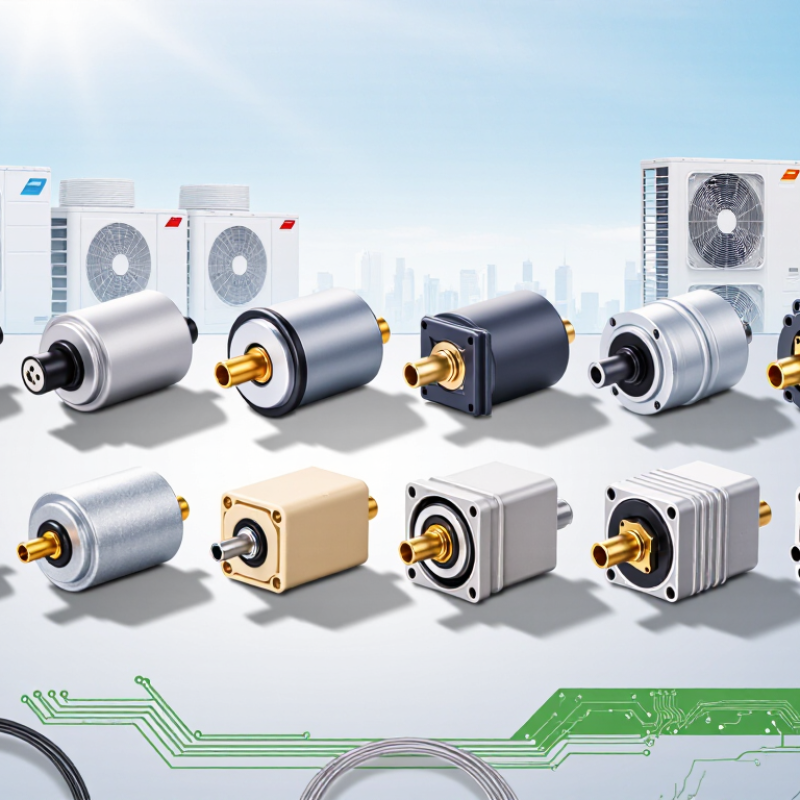
HVAC motor run capacitors support steady operation after the motor starts. They remain connected during the cooling cycle. A weak capacitor can cause humming, hard starts, overheating, or reduced airflow. These symptoms can resemble other faults, so testing matters.
Capacitance is measured in microfarads, written as µF. Match the motor’s specified value closely. A higher value may increase current and damage windings. Voltage rating is equally important. The replacement should meet or exceed the original rating, never fall below it.
Check frequency, tolerance, operating temperature, terminal layout, and physical size. Outdoor units need capacitors designed for heat, vibration, and moisture. An oval body may fit differently from a round one.
Tips: Turn off power and verify it with a meter. Discharge the capacitor using an approved method. Record the old label before removal. Check for swelling, oil leaks, loose terminals, and burnt connectors. Measure capacitance with a suitable meter, but do not trust one reading blindly. I recheck wiring because a correct capacitor cannot fix a damaged contactor or poor connection. That small step prevents wasted parts and repeated service calls. Some labels are faded. Take a clear photo first. Always follow the equipment manual and local electrical requirements.
Choosing a run capacitor starts with the motor’s nameplate, not its horsepower. A PSC blower motor may require one capacitor, while a condenser motor may use a dual-run capacitor. ECM motors often use electronic controls instead. Check the specified microfarad rating, voltage, frequency, and terminal layout before replacing anything.
The U.S. Energy Information Administration’s 2020 Residential Energy Consumption Survey reports that space heating and air conditioning consume roughly half of household energy use. That makes correct motor operation more than a minor maintenance detail. IEC 60252-1 defines requirements for AC motor capacitors, including voltage, capacitance, and operating conditions. Select the same capacitance value, such as 40/5 μF, and choose equal or higher voltage. Higher voltage is acceptable only when the physical fit and motor specifications remain correct.
Do not guess.
A weak capacitor can cause slow starts, overheating, humming, or repeated breaker trips. A capacitor with excessive capacitance may raise winding current and shorten motor life. Turn off power, verify isolation, and discharge the capacitor with approved equipment. Then test capacitance with a calibrated meter. I still recheck the wiring diagram because terminal labels can fade inside hot, dusty cabinets. Measure the old part, but trust the motor data first. A replacement may look identical and still be electrically wrong. For unusual blower assemblies or variable-speed systems, consult the service documentation or a qualified technician rather than forcing a universal substitute.
A practical comparison of common HVAC run-capacitor specifications. Always match the motor nameplate, wiring diagram, capacitance, voltage rating, terminal configuration, and physical dimensions before replacement.
| No. | Capacitor Type | Capacitance | Voltage Rating | Typical HVAC Motor | Tolerance | Operating Temperature | Terminal Arrangement | Why It Is a Good Choice |
|---|---|---|---|---|---|---|---|---|
| 1 | Single run capacitor | 5 µF | 370/440 VAC | Small PSC blower or condenser fan motor | Typically ±5% | Approximately −40°C to +70°C | 2 terminals | Suitable for low-capacitance fan motors when the nameplate specifies 5 µF. |
| 2 | Single run capacitor | 7.5 µF | 370/440 VAC | Small to medium PSC fan motor | Typically ±5% | Approximately −40°C to +70°C | 2 terminals | A common value for fractional-horsepower blower and outdoor fan applications. |
| 3 | Single run capacitor | 10 µF | 370/440 VAC | Medium PSC blower or condenser fan motor | Typically ±5% | Approximately −40°C to +70°C | 2 terminals | The higher 440 VAC rating provides useful voltage margin in many replacement applications. |
| 4 | Single run capacitor | 15 µF | 370/440 VAC | Medium air-handler or condenser fan motor | Typically ±5% | Approximately −40°C to +70°C | 2 terminals | A practical mid-range specification for motors requiring moderate auxiliary-winding support. |
| 5 | Single run capacitor | 20 µF | 440 VAC | Larger PSC blower or condenser fan motor | Typically ±5% | Approximately −40°C to +70°C | 2 terminals | A 440 VAC design is appropriate where the motor specification calls for 20 µF. |
| 6 | Single run capacitor | 25 µF | 440 VAC | Medium compressor or high-output fan motor | Typically ±5% | Approximately −40°C to +70°C | 2 terminals | Offers a durable single-value format for compressor or fan circuits that require 25 µF. |
| 7 | Dual run capacitor | 30/5 µF | 440 VAC | Single-phase split-system compressor and condenser fan | Typically ±5% | Approximately −40°C to +70°C | 3 terminals: C, HERM, FAN | Combines compressor and fan capacitance in one enclosure when both nameplate values are 30/5 µF. |
| 8 | Dual run capacitor | 35/5 µF | 440 VAC | Medium split-system compressor and condenser fan | Typically ±5% | Approximately −40°C to +70°C | 3 terminals: C, HERM, FAN | A compact replacement profile for systems requiring 35 µF compressor and 5 µF fan sections. |
| 9 | Dual run capacitor | 40/5 µF | 440 VAC | Larger residential or light-commercial split-system unit | Typically ±5% | Approximately −40°C to +70°C | 3 terminals: C, HERM, FAN | Useful where the compressor circuit requires 40 µF and the condenser fan requires 5 µF. |
| 10 | Dual run capacitor | 45/5 µF | 440 VAC | Higher-capacity residential or light-commercial compressor system | Typically ±5% | Approximately −40°C to +70°C | 3 terminals: C, HERM, FAN | Provides a common dual-capacitor configuration for larger compressor circuits with a 5 µF fan section. |
Comparing the 10 best run capacitors for HVAC motors in 2026 requires more than checking the lowest price. The U.S. Department of Energy reports that motor-driven systems can consume over 70% of industrial electricity, making correct motor support financially important. For HVAC applications, I compared capacitance accuracy, voltage rating, temperature range, service life, terminal strength, physical size, and safety certification. A capacitor marked 40/5 µF must deliver both values reliably, not merely fit inside the cabinet.
The strongest options use tight capacitance tolerance and working voltages above the original requirement. That extra margin can reduce stress during hot starts. IEC 60252-1 provides the main performance framework for AC motor capacitors, while UL safety requirements help verify construction quality. Field experience also matters: loose push-on terminals, swollen cases, and oil leakage often appear before a compressor stops. The U.S. Energy Information Administration continues to identify space conditioning as a major building electricity load, so small efficiency losses can become expensive over long operating hours. I would not rank every capacitor by advertised lifespan alone. Heat, cycling frequency, airflow, and installation errors change real performance. My comparison still has limits; laboratory ratings cannot fully predict a dusty rooftop unit in August. A careful technician should verify the original microfarads, voltage, dimensions, and discharge requirements before replacement.
10 Best Run Capacitors for HVAC Motors in 2026: Installation, Testing, and Maintenance Guidelines
A run capacitor must match the motor’s rated microfarads and voltage. Never choose by physical size alone. The U.S. Department of Energy reports that heating and cooling use nearly half of a typical home’s energy, so capacitor condition affects comfort and operating costs. IEC 60252-1 defines key performance requirements for motor capacitors, including capacitance tolerance and endurance.
Switch off power at the disconnect and verify zero voltage with a properly rated meter. Discharge the capacitor through a suitable resistor, not a screwdriver. That shortcut can damage terminals and create an arc. Install wires exactly as marked, then tighten connections firmly. A loose terminal may produce heat, vibration, and intermittent motor starting. Keep the replacement away from sharp edges and excessive heat.
Test capacitance with the capacitor isolated from the circuit. Compare the reading with the nameplate tolerance, often shown as ±5% or ±6%. Check for swelling, oil leakage, rust, cracked insulation, or burned connectors. UL 810 addresses safety requirements for capacitors used in electrical equipment. Many technicians inspect capacitors during seasonal service, although climate and workload should guide the interval. I still recheck a new installation after running the blower for several minutes. A quiet motor is not proof of a healthy capacitor. High temperature, abnormal noise, and rising amperage deserve another measurement, not a guess.
A failing run capacitor can make an HVAC motor hum, struggle, or stop suddenly. Common signs include weak airflow, repeated cycling, overheating, and a swollen case. Some capacitors leak oily residue, but many fail without visible damage. That detail matters. A visual inspection alone can mislead technicians and homeowners. Incorrect capacitance may increase motor heat and shorten its service life. It can also cause noisy operation and higher energy use.
Safety risks are serious. A disconnected capacitor can retain electrical charge. Turn off the circuit breaker, confirm zero voltage with a properly rated meter, and follow the equipment service instructions. Do not touch terminals casually. Replacement requires matching the specified microfarad rating. The voltage rating should meet or exceed the original specification. The part must also fit securely and use the correct terminals. Guessing from size is unreliable. An HVAC professional should test the motor and wiring before replacing anything, because a capacitor may only be the symptom.
Tips: Photograph the wiring before removal. Label each terminal clearly. Check for loose connectors, burnt wires, and damaged insulation. Use insulated tools and approved protective equipment. Never install a higher microfarad value to “improve” performance. It may overload the motor. After installation, monitor startup noise, airflow, and operating temperature. If the motor still struggles, stop testing and request qualified service. A replacement can solve the problem, but not every time.