
China Best Pressure Reducing Valve Manufacturer?

Choosing the China best Pressure Reducing Valve manufacturer requires more than comparing catalog prices. A reliable supplier must understand pressure behavior, material compatibility, and the daily realities of industrial operation. In a chemical plant, for example, a valve may face hot fluid, vibration, sudden demand changes, and limited maintenance access. Small design weaknesses can become costly failures.

Dr. David W. Spitzer, a respected process-control author, offers a useful principle: “A control valve cannot correct a poorly designed process.” This applies directly to every Pressure Reducing Valve selection. The best manufacturer should study inlet pressure, outlet pressure, flow range, fluid temperature, and shutoff requirements before recommending a model. Generic sizing is not enough. It can create noise, unstable downstream pressure, or premature seat damage.

Look for proven engineering evidence. Ask for material certificates, pressure-testing records, dimensional drawings, calibration procedures, and traceable inspection reports. Check whether the factory follows recognized quality systems, such as ISO 9001, and whether its products suit the required industry standards. Field experience also matters. A manufacturer that can explain failure patterns is usually more valuable than one offering the lowest quotation.

Still, no supplier is perfect. Even an experienced factory may need better documentation, faster communication, or stronger after-sales support. That is worth admitting. A careful buyer should compare audited production capability, testing discipline, technical support, delivery consistency, and customer feedback. The strongest China Pressure Reducing Valve manufacturer is not simply the cheapest option. It is the partner that protects pressure stability when the process becomes unpredictable.
China Best Pressure Reducing Valve Manufacturer?

What a Pressure Reducing Valve Does and Where It Is Used

What a Pressure Reducing Valve Does and Where It Is Used

A pressure reducing valve (PRV) lowers higher inlet pressure and maintains a steadier, preset pressure downstream. In a building, it can protect taps, hoses, and appliances from excessive supply pressure. In factories, similar valves control water, steam, or compressed air for equipment that needs a defined operating range. The valve reacts to downstream pressure, adjusting its opening as demand changes. Small part. Important job.

The U.S. Department of Energy’s Improving Compressed Air System Performance: A Sourcebook for Industry reports that a 2 psi increase in compressed-air discharge pressure can raise energy use by about 1% at full flow. A correctly set PRV can help avoid unnecessarily high pressure at a point of use, though it does not guarantee savings by itself. Leaks, poor sizing, and fluctuating demand still matter.

Engineers typically check flow capacity, inlet pressure, temperature, and fluid compatibility before selection. A valve that is too small may cause pressure drops; one that is poorly maintained may drift from its setpoint. Field conditions can be messier than a neat specification sheet suggests.

Key Types and Operating Principles of Pressure Reducing Valves

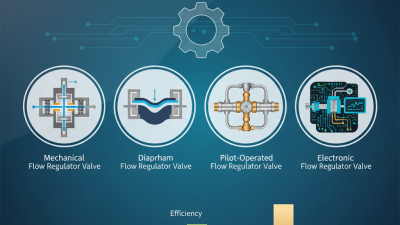
Pressure-reducing valves keep downstream pressure below the inlet level, protecting equipment from fluctuations and excessive force. Direct-acting valves use a spring and diaphragm: rising outlet pressure pushes against the spring and narrows the valve opening. They are compact and respond quickly, but their outlet pressure can shift as flow changes. Pilot-operated valves use a smaller pilot valve to control a larger main valve, making them better suited to higher flow rates and steadier pressure control.

For steam systems, the U.S. Department of Energy’s Improving Steam System Performance: A Sourcebook for Industry estimates that steam accounts for about 30% of manufacturing energy use. That makes pressure control an important part of efficient operation. Still, a stable gauge reading does not guarantee the valve is correctly sized. In practice, inlet pressure, required flow, temperature, and downstream demand all matter. Not always obvious. An undersized valve may cause pressure drop during peak demand; an oversized one can hunt, opening and closing repeatedly. Check the set pressure under real operating conditions, not just at startup. A little reflection helps: valve selection is only part of the job; installation and maintenance shape performance too.

Standards and Quality Requirements for Valve Manufacturers

A pressure reducing valve manufacturer should prove more than nominal pressure and size. ASME B16.34 covers pressure-temperature ratings and construction requirements, while API 598 and ISO 5208 define inspection and pressure-testing methods. Buyers should check which standard applies to the valve’s design and service; one test certificate cannot replace the full specification.

Quality controls must follow each valve through production.

Request material certificates linked to heat numbers, documented body and seat tests, calibrated gauge records, and inspection criteria for critical dimensions. For steam service, ask how the manufacturer verifies set pressure, shutoff performance, and stability under changing inlet pressure.

Small details matter. A test bench should show its gauge range and calibration date, not merely a pass stamp.

The International Energy Agency’s Energy Efficiency 2023 report estimates that industry used about 37% of global final energy in 2022. Reliable pressure control can help limit process losses, though a valve alone cannot guarantee energy savings.

One uncomfortable gap remains: paperwork may look complete while traceability between a test result and the delivered unit is weak. Review sample records, not just certificates. Ask for measurable acceptance limits and retain inspection evidence for future maintenance.

How to Evaluate Chinese Pressure Reducing Valve Manufacturers

China Best Pressure Reducing Valve Manufacturer?

Evaluating a Chinese pressure reducing valve manufacturer starts with evidence, not attractive product pages. During factory assessments, I look for machining records, calibrated test equipment, and technicians who explain pressure curves clearly. Ask how the factory controls body materials, spring tolerances, diaphragm quality, and cleaning procedures. A reliable supplier should provide traceability from raw casting to final inspection. Photos are not enough. Request recent test reports, sample serial numbers, and clear acceptance criteria.

Technical fit matters more than the lowest quotation. Share inlet pressure, outlet range, flow rate, fluid temperature, connection standard, and installation position. The manufacturer should calculate capacity and warn about cavitation, noise, freezing, or unstable control.

Check whether prototypes undergo repeated cycling, leak testing, and overpressure testing under documented procedures. Compare drawings, material certificates, spare-part lists, and maintenance guidance. Vague answers often signal weak engineering support. They do not always prove failure, but they deserve investigation.

Commercial reliability needs equal attention. Review production lead times, warranty terms, complaint handling, packaging, and remote commissioning support. Ask for references from applications with similar pressures and fluids, then verify them independently. A factory audit can reveal housekeeping gaps or inconsistent labeling that brochures conceal.

My own reviews have sometimes favored polished documentation too quickly. It was a mistake. Good paperwork cannot replace stable production data. Score each supplier against the same checklist, and keep unresolved risks visible before approving samples or bulk orders.

Matching a Manufacturer to Your Technical and Service Needs

China Best Pressure Reducing Valve Manufacturer?
Matching a Manufacturer to Your Technical and Service Needs

Choosing a pressure reducing valve manufacturer in China is less about finding a “best” label and more about finding the right fit. Start with the operating details: inlet pressure range, required outlet pressure, flow rate, fluid temperature, and pipe connection size. Ask how the valve performs under both normal and peak conditions. Request material specifications, testing procedures, and documents for the exact configuration. Details matter.

Tips: Share a clear duty profile, including pressure fluctuations and expected flow. Request a sample datasheet, dimensional drawing, and written information about testing, spare parts, and lead times. Compare specific answers, not promises.

Service fit matters after the valve arrives. Can the technical team review sizing data before production? Are replacement diaphragms, springs, or seals available and clearly identified? Clarify inspection records, packaging, and support for technical questions. A short video call may show whether answers are specific. A fast reply alone does not prove quality; neat paperwork can still leave installation questions unanswered. Ask what happens if site pressure differs from the original specification. Look for engineering support, product evidence, and a service plan that match your application. A reliable supplier should also state the product’s limits plainly.

China Best Pressure Reducing Valve Manufacturer? - Matching a Manufacturer to Your Technical and Service Needs

Evaluation dimension Your technical or service need What to verify with the manufacturer Good-fit indicator
Application and medium Steam, water, compressed air, gas, or another process fluid. Ask whether the proposed valve design, trim, seals, and materials are suitable for the medium, temperature, and operating conditions. The selection is based on documented service conditions, not fluid name alone.
Pressure and temperature envelope Maximum and minimum inlet pressure, required downstream pressure, and normal and extreme temperatures. Request the allowable pressure-temperature limits for the exact body material, connection, size, and trim combination. The stated limits cover both normal operation and credible operating extremes.
Flow capacity and sizing Minimum, normal, and maximum flow rates, with upstream and downstream pressures for each condition. Ask for a sizing calculation using the relevant fluid properties and conditions. Confirm the selected capacity, such as Cv or Kv, and the assumptions used. The valve can handle the operating range without being selected solely by pipe size.
Valve operating design Stable pressure control across the expected load range and installation conditions. Compare suitable designs, such as direct-acting and pilot-operated types, and ask about minimum flow, response, and control stability. The design choice is explained in relation to flow range, pressure drop, and control requirements.
Materials and connections Compatibility with the fluid, corrosion exposure, temperature, and site piping system. Confirm body, trim, and seal materials, plus connection type, size, pressure class, and applicable dimensional requirements. Material and connection details are listed clearly on the quotation and product documentation.
Leakage and shutoff expectations A defined allowable leakage level or a requirement for tight shutoff. Clarify the specified leakage class or test acceptance criteria. Confirm that the requirement applies to the proposed valve type and service. The acceptance criteria are agreed before purchase rather than assumed from a general product description.
Testing and documentation Traceable inspection and test records appropriate to the project and application. Ask which inspection and pressure-test standards apply. Standards such as ISO 5208 or EN 12266-1 may be relevant when specified; confirm scope and acceptance criteria. The supplier can state what is tested, how results are recorded, and which documents are delivered.
Safety and system protection Protection of downstream equipment if the pressure-reducing valve fails or cannot control pressure. Review the system design and ask whether separate overpressure protection, such as a correctly sized relief device, is required by the application or governing code. The supplier distinguishes pressure reduction from independent overpressure protection.
Installation and commissioning Clear instructions for installation, adjustment, startup, and routine inspection. Request installation drawings, operating instructions, recommended upstream filtration where applicable, and commissioning guidance. Documentation addresses the actual valve configuration and is available in a language your team can use.
Spare parts and maintenance Maintainability over the expected service life, including access to wear parts and technical support. Confirm spare-parts identification, recommended maintenance intervals, repair instructions, and the support process for troubleshooting. Parts and service support are documented, with responsibilities and response arrangements clearly stated.
Lead time and order control A dependable delivery schedule and clear control of custom options or project-specific requirements. Request a written delivery estimate, drawing approval milestones, configuration details, and notification procedures for schedule changes. The quotation identifies scope, delivery assumptions, and any items that could affect lead time.
Final selection decision A pressure-reducing valve that meets process requirements and can be supported throughout its service life. Compare technical calculations, documentation, service coverage, spare-parts arrangements, and total installed and maintenance requirements. Choose the manufacturer whose documented capability best matches the application—not a generic ranking or price alone.