How to Choose the Right High Pressure Gas Regulator?

Choosing the right High Pressure Gas Regulator is not a simple matter of matching inlet pressure to a catalog number. The decision affects flow stability, equipment protection, operating costs, and user safety. A suitable regulator must match the gas, pressure range, flow demand, connection type, temperature, and installation environment.

Pressure-control specialist Dr. Elena Marquez offers a practical reminder: “A regulator should be selected for the entire operating range, not for one impressive pressure figure.” That principle matters when a system starts cold, reaches peak demand, or experiences sudden flow changes. A regulator that performs smoothly at 20 bar may behave poorly at low flow. Small details matter.

Begin with the gas service. Oxygen, nitrogen, hydrogen, carbon dioxide, and corrosive mixtures can require different materials, seals, and cleaning procedures. Confirm the maximum inlet pressure, required outlet pressure, and actual flow rate. Do not rely only on nominal pipe size. Check droop, lock-up pressure, relieving features, and the manufacturer’s flow data.

Installation experience also reveals common mistakes. An undersized regulator may whistle, freeze, or fail to maintain pressure. An oversized model can hunt during low-demand operation. That is easy to miss.

This guide explains how to compare regulator types, review technical specifications, and avoid selection based on price alone. It also examines inspection, testing, and maintenance practices. Some choices remain imperfect. Real systems change. Good engineering leaves room for those changes.

How to Choose the Right High Pressure Gas Regulator?

Understanding High-Pressure Gas Regulators and Their Main Functions

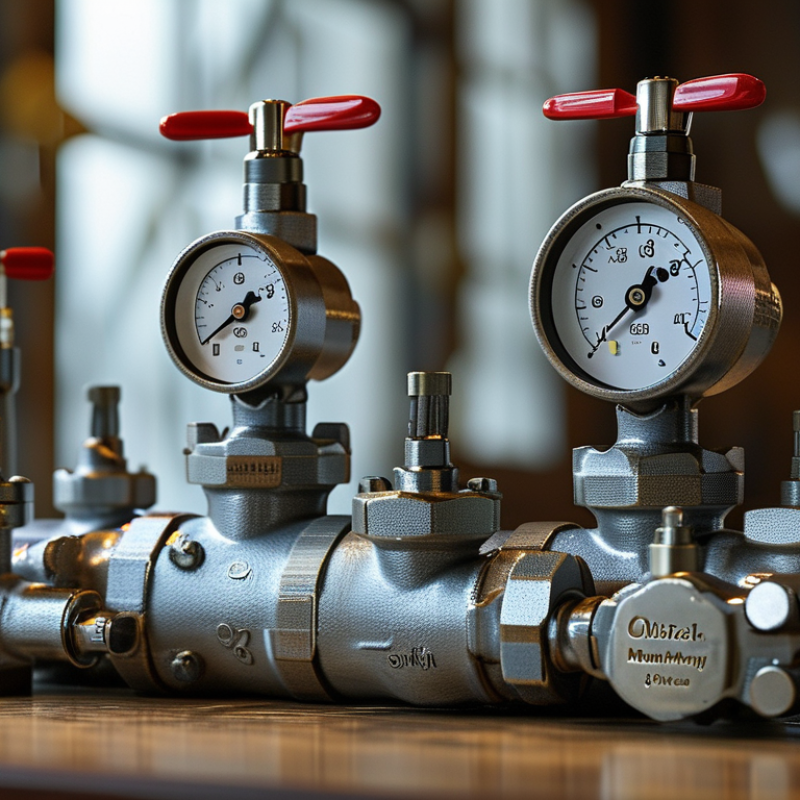
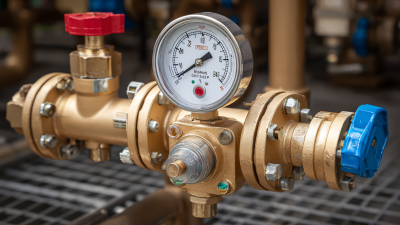
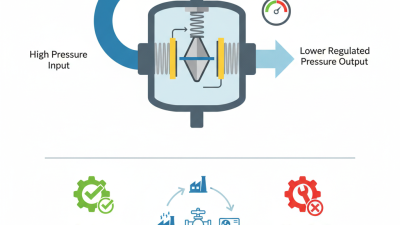
Choosing the right high-pressure gas regulator starts with understanding its main functions. The regulator reduces high inlet pressure to a controlled outlet pressure. It also keeps that pressure stable as gas demand changes. This protects connected equipment from sudden pressure surges. Some models include an internal relief system or shutoff feature. Pressure gauges provide a clear view of inlet and outlet conditions. These details matter during setup, operation, and routine inspection.

Match the regulator with the gas type, pressure range, flow rate, and operating temperature. Material compatibility is essential because some gases can damage seals or metal surfaces. A regulator sized too small may cause pressure drop and unstable performance. One sized too large may respond poorly at low flow. Check the connection type carefully. A small mismatch can create a dangerous leak. Selection is not always neat. Real systems often change after installation, so review actual demand instead of relying only on original estimates.

Tips: Confirm the maximum inlet pressure before installation. Set the outlet pressure using a calibrated gauge. Inspect threads, seals, and vent openings for damage. Keep the regulator upright when the instructions require it. Never adjust pressure beyond the stated operating range. If readings fluctuate, stop and investigate the gas supply, fittings, and regulator condition. A second inspection is worthwhile. Small errors are easy to overlook.

Identifying Gas Type, Pressure Range, Flow Rate, and Connection Requirements

Choosing a high pressure gas regulator starts with identifying the gas, not the pressure. Oxygen, hydrogen, nitrogen, propane, and corrosive gases require different materials and sealing methods. The International Energy Agency reported global hydrogen demand reached nearly 97 million tonnes in 2023. That growth increases the need for hydrogen-compatible regulators and careful leakage control.

Confirm the inlet pressure, outlet range, and expected flow rate from actual operating conditions. Do not size a regulator only from the pipe diameter. A unit rated for 100 bar inlet pressure may still fail at high flow if its capacity is insufficient. Ask for flow data in Nm³/h, SCFM, or kg/h, and verify the reference temperature. Pressure drop can become obvious when several outlets operate together. It is easy to overlook.

Connection requirements need equal attention. Check thread standard, port size, installation direction, and required relief protection. ISO 2503 covers pressure regulators for gas welding and allied processes, while CGA E-4 addresses compressed gas systems at customer sites. These documents support disciplined selection, but they do not replace site calculations. During commissioning, technicians should test shutoff performance, outlet stability, and leak tightness. A connection may fit mechanically yet remain unsuitable chemically. That mistake still happens. Consider gas purity, ambient temperature, vibration, and maintenance access before approving the final specification.

How to Choose the Right High Pressure Gas Regulator

Compare the gas service, maximum inlet pressure, target outlet pressure, and expected flow before selecting a regulator. The values below are representative industrial design points, not universal product limits. Always verify the gas compatibility, pressure rating, flow capacity, and local connection standard.

Gas Type Typical Connection Requirement Important Selection Consideration
Compressed Air G1/4 or G1/2 threaded connection Confirm pressure rating, contamination control, and required flow capacity.
Nitrogen Regional cylinder outlet standard; commonly CGA 580 in North America Use materials and seals compatible with dry, high-pressure gas service.
Oxygen Regional oxygen cylinder outlet standard; commonly CGA 540 in North America Use oxygen-clean components and avoid oil, grease, and incompatible materials.
Carbon Dioxide Regional CO₂ cylinder outlet standard; commonly CGA 320 in North America Consider vaporization, temperature drop, and liquid carryover at high flow.
Hydrogen Regional hydrogen cylinder outlet standard; commonly CGA 350 in North America Check hydrogen compatibility, leak tightness, ventilation, and ignition-control requirements.

Comparing Regulator Materials, Safety Features, and Performance Ratings

Choosing a high-pressure gas regulator starts with the gas, not the catalog photograph. NIST Chemistry WebBook lists oxygen’s boiling point near −183°C and hydrogen’s near −253°C. These temperatures expose weaknesses in unsuitable seals and lubricants. Stainless steel usually offers stronger corrosion resistance than brass. However, material compatibility still depends on moisture, impurities, and operating temperature. I would verify the manufacturer’s compatibility chart against NIST data. Small omissions matter.

Safety features deserve equal attention. ISO 10297:2014 defines functional and type-testing requirements for gas-cylinder valves, including leakage and pressure performance. A regulator should specify inlet pressure, outlet range, flow capacity, lock-up pressure, and relief protection. Do not treat a higher pressure rating as better. The correct rating must exceed the maximum supply pressure with an appropriate engineering margin. A captured relief valve can limit downstream overpressure, while a pressure gauge makes drift visible. It does not replace inspection.

Performance ratings often look impressive but remain incomplete without test conditions. Flow capacity may change with inlet pressure, temperature, gas density, and outlet pressure. CGA E-9 guidance emphasizes application-specific selection and safe installation practices. Ask for test curves, not only a maximum flow number. Also check shutoff leakage and response during sudden demand changes. In field use, a regulator can sound stable while its outlet pressure slowly creeps upward. That possibility is easy to miss. I would record inlet and outlet readings during startup, steady flow, and shutdown, then review the results with a qualified technician.

Selecting the Right Regulator for Your Equipment and Operating Conditions

Choosing the right high-pressure gas regulator starts with your equipment, not the catalog. Identify the gas type, inlet pressure, outlet pressure, and required flow rate. These values must match the regulator’s operating range. A regulator designed for low flow may become unstable when a burner or process line demands more gas.

Material compatibility matters. Corrosive gases may require specialized internal components and seals. Check the temperature range, connection size, and pressure rating before installation. A pressure gauge should be easy to read from the operator’s position. A relief device may also be necessary when downstream equipment cannot tolerate overpressure.

In practical installations, I inspect the system layout before selecting a model. Long tubing can create pressure loss. A filter can protect the regulator from particles, but it also needs regular cleaning. Test the regulator under real operating conditions, not only at idle flow. Small pressure fluctuations are easy to miss.

Do not rely on one chart.

I have seen selections fail because the stated flow rate ignored changing demand. That mistake is worth reconsidering. Record inlet pressure during operation, especially when cylinders or supply lines begin to empty. Installation should follow applicable safety standards and be performed by qualified personnel. Recheck fittings, leak-test the system safely, and confirm stable outlet pressure before connecting sensitive equipment.

Checking Installation, Maintenance, Certification, and Replacement Needs

Choosing a high pressure gas regulator requires more than matching inlet and outlet pressures. Installation conditions matter just as much. Confirm the gas type, pressure range, flow demand, and connection size before purchase. The regulator should remain upright when required, with clear access for adjustment and inspection. Use suitable tubing, seals, and approved fittings. A small leak can become a serious hazard.

Installation should follow the manufacturer’s instructions and applicable local safety codes. A qualified technician should perform pressure testing with calibrated instruments. Check for leaks before operation, then record the test results. During maintenance, inspect threads, diaphragms, relief components, gauges, and signs of corrosion. Do not rely on appearance alone. Internal wear may remain invisible.

Certification documents should identify the tested pressure range, materials, manufacturing date, and applicable standards. Keep these records with inspection logs and service dates. Replacement becomes necessary when output pressure drifts, adjustment becomes unstable, or components show damage. A regulator that repeatedly needs correction deserves careful review. It may be incorrectly sized.

I have learned that a checklist can still miss poor ventilation or an awkward installation position. Recheck the real workspace. Replacement intervals should follow service conditions, gas compatibility, inspection findings, and legal requirements, rather than a convenient calendar date. When uncertainty remains, stop using the equipment and request an assessment from a competent professional. Safety should not depend on guesswork.

How to Choose the Right High Pressure Gas Regulator? - Checking Installation, Maintenance, Certification, and Replacement Needs

Evaluation Dimension What to Check Typical Requirement or Good Practice Risk if Overlooked Recommended Action Priority
Gas Identification Confirm the exact gas service, concentration, purity, and whether the gas is toxic, flammable, oxidizing, inert, or corrosive. The regulator materials, seals, lubricant, and internal construction must be compatible with the gas. Oxygen service requires components prepared for oxygen use. Material degradation, contamination, leakage, fire, or an unsafe chemical reaction may occur. Verify gas compatibility against the regulator documentation and the gas supplier's safety data before installation. Critical
Inlet Pressure Compare the maximum and normal cylinder or pipeline pressure with the regulator's rated inlet pressure. Select a regulator with a maximum inlet-pressure rating above the highest pressure that can occur in the system, including temperature-related pressure changes. Overpressure can damage the regulator, cause unstable control, or create a sudden release of gas. Use the highest credible source pressure, not only the normal operating pressure, during selection. Critical
Outlet Pressure Identify the required delivery pressure and the acceptable adjustment range for the connected equipment. The normal operating point should fall within the regulator's control range and should not be set above the downstream equipment rating. Insufficient pressure can interrupt operation; excessive pressure can damage instruments, hoses, or process equipment. Install a downstream pressure gauge and, where necessary, an independent pressure-relief device. Critical
Flow Capacity Determine the normal, peak, and minimum gas-flow requirements of all connected equipment. Choose a regulator whose published flow performance meets peak demand without excessive outlet-pressure droop or instability. Pressure may fall during high demand, causing inaccurate process control or equipment shutdown. Use flow data at the intended inlet and outlet pressures rather than relying only on the connection size. Required
Connection Type Check inlet and outlet connection standards, thread type, size, sealing method, and cylinder or manifold interface. Connections must match the system specification. Do not force incompatible threads or use an adapter that is not rated for the service pressure. Cross-threading, leakage, connection failure, or incorrect gas connection can result. Confirm dimensions and connection standards before ordering, and use approved high-pressure fittings. Critical
Installation Location Assess ventilation, temperature, vibration, moisture, impact exposure, accessibility, and distance from ignition sources. Install the regulator in a clean, dry, ventilated, and protected location that permits gauge reading and safe isolation. Corrosion, freezing, mechanical damage, difficult emergency isolation, or inaccurate readings may occur. Secure the regulator and tubing, protect it from impact, and keep access clear for inspection and shutdown. Required
Piping Cleanliness Check that tubing, fittings, and tools are clean, dry, and free from oil, grease, particles, and moisture. Use cleaning procedures suitable for the gas service. Oxygen systems require especially strict control of hydrocarbons and particulate contamination. Contamination can obstruct the regulator, damage seals, cause corrosion, or create an ignition hazard. Inspect the line before connection and purge it with a compatible gas according to the approved procedure. Critical
Pressure Relief Determine whether the regulator can fail open, whether the downstream system is protected, and whether venting is safe. Use a relief valve, relief device, or other engineered protection when downstream components cannot tolerate the possible failure pressure. Downstream equipment may be exposed to pressure above its design rating. Set and route relief devices according to the system design, gas hazard, and applicable local requirements. Critical
Initial Leak Test Inspect all joints, valve stems, gauges, and body connections after pressurization. Perform a documented leak test using a method compatible with the gas and system materials. Never use an open flame. Unnoticed leakage can cause fire, poisoning, oxygen enrichment, asphyxiation, or product loss. Pressurize gradually, stabilize the system, check for leaks, and correct defects before placing the system into service. Critical
Routine Inspection Check gauges, adjustment controls, connections, tubing, vent openings, corrosion, physical damage, and signs of leakage. Inspection frequency should be risk-based and increased in corrosive, high-cycle, outdoor, or vibration-prone applications. Small defects can develop into unstable pressure control, leakage, or sudden component failure. Record inspection dates, findings, pressure readings, and corrective actions in an equipment log. Required
Maintenance and Repair Review service kits, seal condition, diaphragm or piston wear, filter condition, and regulator performance. Maintenance should follow the regulator's service instructions and be performed by trained personnel using compatible parts. Incorrect parts, improper cleaning, or incorrect reassembly may compromise pressure control and gas containment. Isolate and depressurize the system before service, then perform a leak and functional test after reassembly. Required
Certification and Compliance Check applicable pressure-equipment, gas-service, electrical-area, transport, and workplace-safety requirements. Certification needs depend on the country, gas, pressure, installation environment, and intended use. A certificate must match the actual configuration. Non-compliance may lead to unsafe operation, failed inspections, legal exposure, or invalidated safety approvals. Request current conformity documents, material information, test records, and service-specific certificates where applicable. Conditional
Calibration and Accuracy Verify gauge accuracy, set-point stability, repeatability, and pressure readings across the expected operating range. Calibration intervals should reflect manufacturer guidance, process criticality, usage frequency, and observed drift. Incorrect pressure readings may lead to poor process results or operation outside safe limits. Use calibrated test equipment and retain calibration records for gauges and critical pressure-control devices. Recommended
Replacement Triggers Look for persistent leakage, damaged gauges, body corrosion, unstable outlet pressure, blocked vents, repeated repairs, or visible impact damage. Replace the regulator when safe performance cannot be verified or when a critical pressure-containing part is compromised. Continued use may result in uncontrolled pressure, gas release, or sudden failure. Remove defective equipment from service, label it clearly, and replace it with a correctly rated unit. Critical
Service Life Planning Consider operating hours, number of pressure cycles, gas composition, storage conditions, inspection history, and spare-part availability. There is no universal replacement interval for every application; service life should be based on condition, risk, and documented manufacturer guidance. Age-related seal deterioration or fatigue may remain unnoticed until performance has already degraded. Set a review date, maintain replacement spares, and replace components proactively when risk or condition justifies it. Recommended
Operator Training Confirm that users understand cylinder handling, valve operation, pressure adjustment, leak response, ventilation, and emergency isolation. Only trained and authorized personnel should install, adjust, inspect, or service high-pressure gas equipment. Incorrect adjustment or unsafe connection practices can cause leakage, overpressure, or personal injury. Provide written procedures, practical training, and refresher training after equipment or process changes. Required
Safety note: Selection and installation should be reviewed by a qualified professional familiar with the gas properties, pressure hazards, local regulations, and the complete system design. Always follow the applicable equipment instructions and site safety procedures.