How to Choose the Right Pressure Reducer for Your Needs?
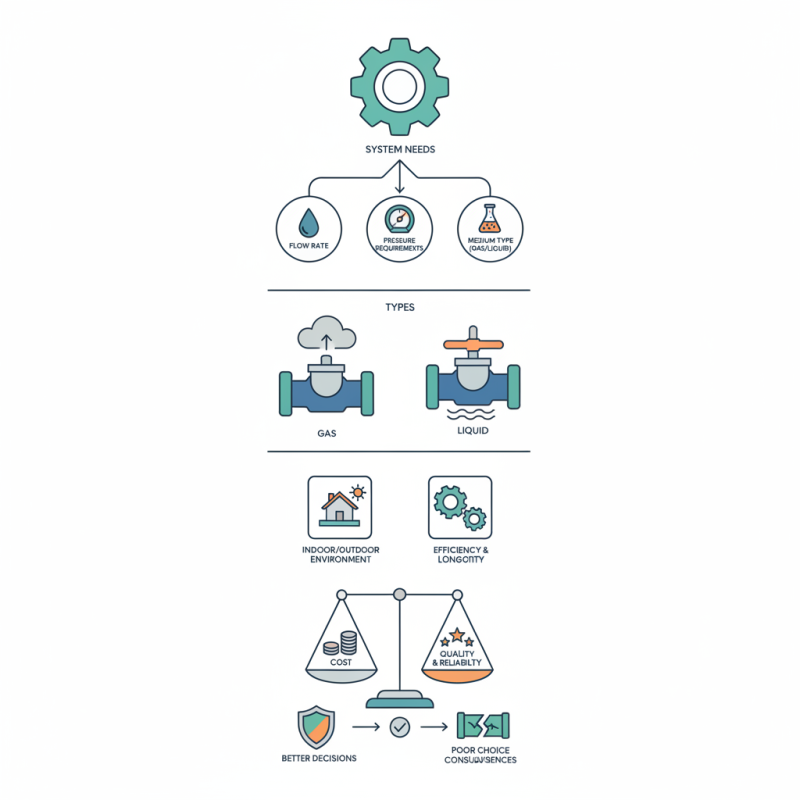
Choosing the right pressure reducer can be challenging. A pressure reducer is crucial in managing fluid dynamics and ensuring safety in various applications. When selecting one, consider the specific needs of your system. These needs include flow rate, pressure requirements, and medium type.
Different pressure reducers offer distinct features. Some are suitable for gases, while others handle liquids more effectively. Think about where you will use the pressure reducer. Indoor and outdoor environments might demand varying specifications. The right choice impacts efficiency and longevity.
In addition, don't overlook quality. A lower-cost option may tempt you, but it can lead to problems later. Evaluate customer reviews and manufacturer reputations. A pressure reducer should not just meet your needs but also provide reliability. Finding a balance between cost and performance is critical. Ultimately, the consequences of a poor choice can be significant. A thoughtful approach will lead to better decisions.
Understanding Pressure Reducers and Their Functions
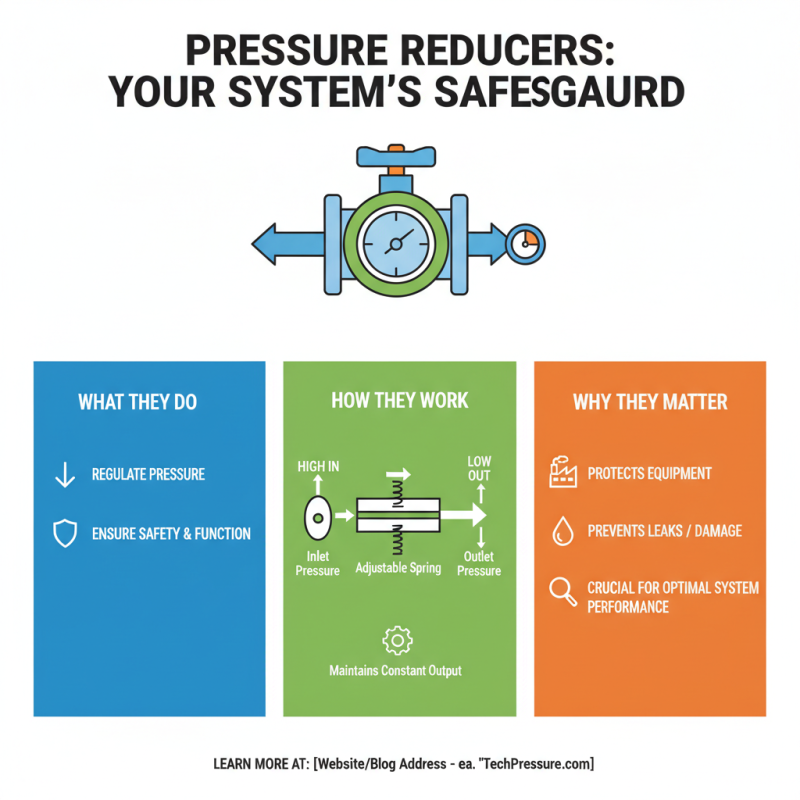
Pressure reducers are essential devices used in various systems to regulate gas or liquid pressure. They ensure that the pressure remains at a safe and functional level. Understanding these devices is crucial for choosing the right one for your needs.
When selecting a pressure reducer, consider its intended application. Different scenarios require different pressure settings. For instance, some systems might operate effectively with a moderate pressure reduction, while others need precise adjustments. Take time to assess the specifications and compatibility of the reducer with existing equipment. Measure the inlet pressure accurately. A mismatch can lead to inefficient performance or even equipment failure.
Don't overlook the importance of materials used in construction. Corrosion-resistant materials often prolong the lifespan of pressure reducers. However, cheaper options may tempt you but could lead to future problems. It's essential to weigh initial costs against potential failures. Remember that regular maintenance can prevent issues, but it demands effort and consistency. Finding the right pressure reducer requires careful consideration and clear understanding of your needs.
Identifying Your Specific Needs for Pressure Reduction
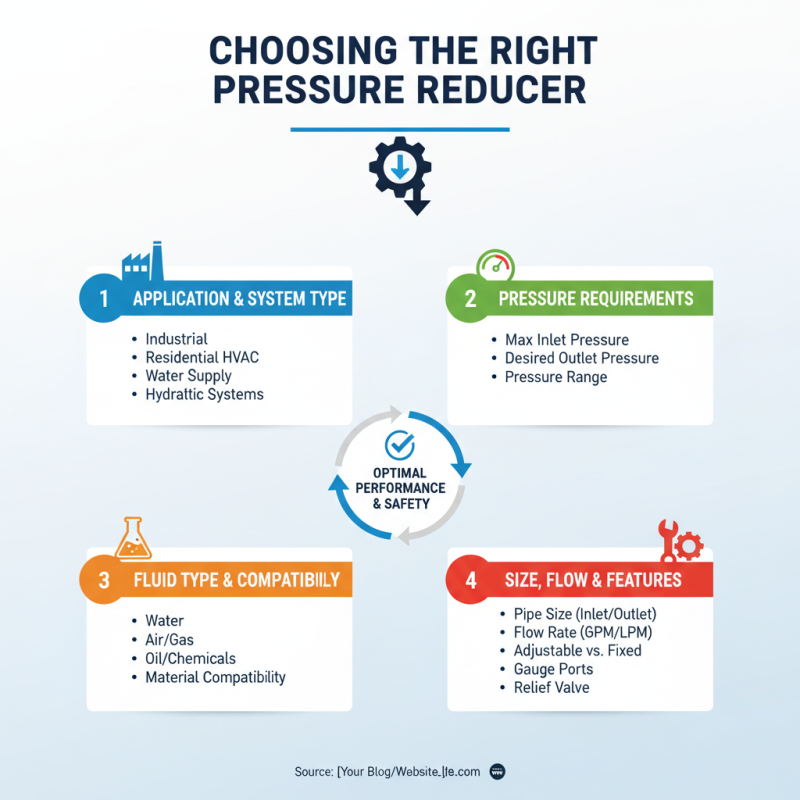
Choosing the right pressure reducer requires a clear understanding of your specific needs. The first step is comprehending the system you’re working with. Different applications have unique pressure requirements. For example, a hydraulic system may require stable pressure for safety and efficiency. Conversely, a pneumatic system often needs varied pressure levels for different tasks.
Evaluate the maximum inlet pressure your system can handle. Consider the lowest outlet pressure needed for optimal performance. This knowledge allows you to select a reducer that meets your exact specifications. Remember, it’s easy to underestimate the importance of these values. A miscalculation could lead to system failures or inefficiency.
Don’t forget about additional features. Some pressure reducers have built-in gauges for real-time monitoring. Others may include filters to prevent contaminants from affecting performance. These added options may seem minor. However, they can significantly impact overall functionality. Reflect on your operating environment and future needs as well. This practice could save you from future inconveniences, ensuring you make a more informed choice.
How to Choose the Right Pressure Reducer for Your Needs?
| Criteria |
Description |
Recommended Type |
Notes |
| Max Inlet Pressure |
Identify the maximum pressure from the source |
High-pressure reducers |
Ensure reducer can handle source pressure |
| Outlet Pressure Required |
Determine the required pressure level for application |
Low to medium-pressure reducers |
Select based on application needs |
| Fluid Type |
Consider the type of fluid passing through |
Material compatible reducers |
Check for corrosion resistance |
| Flow Rate |
Assess the required flow rate of the system |
High flow rate reducers |
Ensure sufficient capacity |
| Installation Environment |
Consider the nature of the installation area |
Weatherproof models for outdoor |
Evaluate temperature and exposure |
Comparing Different Types of Pressure Reducers Available
When selecting a pressure reducer, understanding the types available is essential. Pressure reducers come in various designs, such as adjustable, fixed, and backpressure styles. Each type serves different applications. For instance, adjustable reducers allow users to modify the output pressure. They are often favored in industrial settings for their flexibility.
Data from the Pressure Equipment Association shows that fixed pressure reducers account for about 40% of the market. They are ideal for applications requiring consistent output. They provide straightforward solutions, although they lack the adaptability of their adjustable counterparts. Backpressure reducers, making up approximately 25% of users' preferences, prioritize system stability. They help maintain pressure on upstream systems, proving useful in complex configurations.
However, in practice, many users often overlook the specific needs of their systems. Manufacturers report that inefficiencies arise in nearly 30% of installations due to mismatched reducers. This gap indicates a need for reflection before making a selection. Ensuring the right fit can lead to enhanced safety and performance overall.
Pressure Reducer Types Comparison
Installation and Maintenance Tips for Pressure Reducers
When it comes to installing a pressure reducer, proper placement is vital. Make sure you install it close to the pressure source. This reduces pressure fluctuations. A secure connection is essential. Check for leaks regularly. This protects your system's integrity.
Maintenance is equally important. Regularly inspect the pressure reducer for any signs of wear. Listen for unusual noises. It could indicate an issue. Keep the area around the reducer clean. Dust and debris can affect performance.
Tips: Always use a wrench that fits properly. An ill-fitting tool can damage the fittings. Monitor the pressure regularly. If it changes unexpectedly, take action. Don't ignore small issues—they can become bigger problems.