


In the rapidly evolving industrial landscape, understanding the intricacies of Fluorine Pumps is crucial for global importers. The global pump market is projected to reach approximately $79 billion by 2026, with fluorine pumps playing a vital role in sectors like chemical processing and pharmaceuticals. These pumps are essential for safely handling corrosive fluids that contain fluorine compounds. Moreover, the demand for Fluorine Pumps is fueled by increasing environmental regulations that necessitate effective fluid management solutions.
Importers need to prioritize quality and reliability when considering Fluorine Pumps. Recent industry reports indicate that nearly 30% of pump failures are attributed to inadequate material selection. Understanding the specifications and applications of these pumps can help avoid costly downtime. Not all products in the market meet stringent safety standards, which raises concerns about their long-term reliability. Evaluating supplier credentials and conducting thorough research will empower importers to make informed decisions.
Navigating these complexities requires a keen eye for detail. Successful importers often reflect on past purchases to improve future selections. Learning from previous experiences can lead to better choices. This guide aims to equip importers with the necessary insights to choose the best Fluorine Pump for their needs.
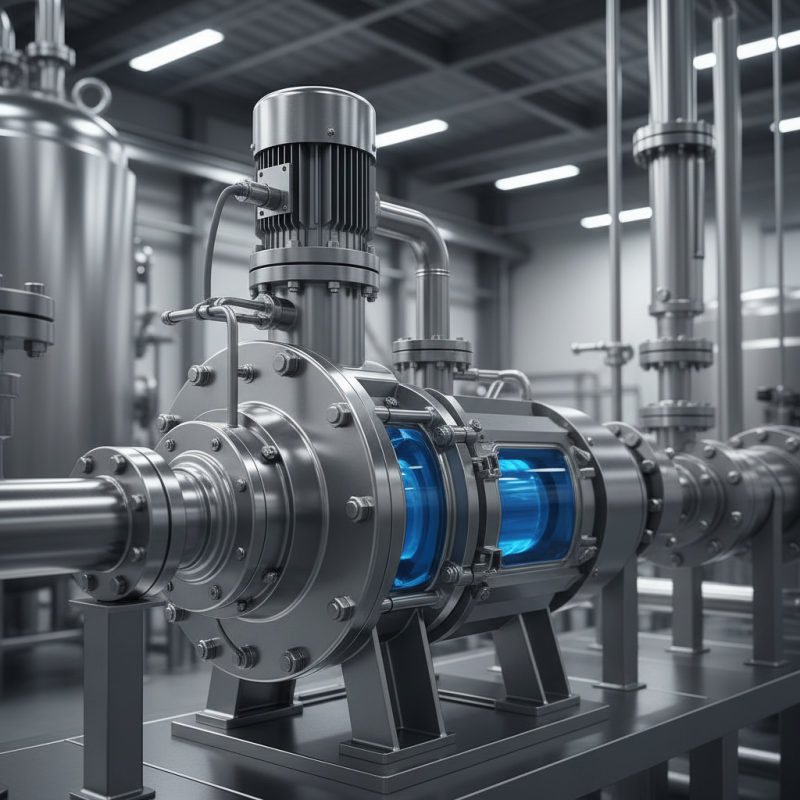
Fluorine pumps play a critical role in various industries, especially those dealing with aggressive chemicals. Understanding the types of fluorine pumps is essential for making informed purchasing decisions. The two main types are diaphragm pumps and magnetic drive pumps. Diaphragm pumps are known for their ability to handle hazardous materials without leaks. They rely on a flexible diaphragm to create suction and discharge. On the other hand, magnetic drive pumps use a magnetic coupling, reducing the risk of contamination.
The applications of fluorine pumps are diverse. Industries such as pharmaceuticals, petrochemicals, and semiconductor manufacturing require specialized pumping solutions. It is crucial to choose a pump based on the specific requirements of each application. For instance, high-purity requirements in the semiconductor industry necessitate pumps that minimize particle generation. Each application has unique challenges, requiring careful consideration of pump materials and design.
While researching fluorine pumps, it can be overwhelming. The technical terminology and specifications may deter some buyers. Potential buyers should focus on the most critical factors, like chemical compatibility and flow rates. This focus will help clarify needs and prevent costly mistakes. It’s vital to consult with experts or engineers familiar with pump technology. Their insights can guide importers in navigating the complexities of fluorine pump selection effectively.
When selecting fluorine pumps, a few key features are essential. First, consider the material compatibility. Fluorine pumps often handle aggressive chemicals. Use materials that resist corrosion and withstand harsh environments. Look for pumps made from fluoropolymer or other resistant alloys. This ensures longevity and reduces maintenance needs.
Next, pay attention to the flow rate and pressure ratings. These specifications determine the pump’s efficiency and suitability for specific applications. A pump with insufficient flow can lead to process disruptions. Balance your requirements with the pump’s capabilities.
Energy efficiency is another crucial aspect. Opt for pumps designed to minimize energy consumption. Even minor enhancements can drastically cut operational costs over time. Finally, research the manufacturer’s reputation. Reliable brands often provide better support and warranty options. Always vet sources to ensure quality and performance, as this decision impacts your operations significantly.
When evaluating fluorine pump manufacturers and suppliers, collectors of detailed data from industry reports are crucial. Recent statistics suggest that the global fluorine pump market is projected to grow at a CAGR of around 5.2% from 2021 to 2028. This growth highlights the increasing demand for these pumps across various applications. Importers should prioritize suppliers with extensive experience in this niche area to ensure reliability.
Supplier evaluations should include a review of certifications and industry standards. Various reports indicate that compliance with ISO and ASTM standards can significantly impact product quality. Choosing dependable manufacturers can prevent costly failures and safety hazards. An emphasis on transparent production processes may further enhance trust in supplier relationships.
Additionally, geographical location plays a vital role in supply chain dynamics. Many reports have noted that suppliers closer to major fluorine manufacturers offer faster delivery times and better communication. Delays can severely impact project timelines. On the other hand, relying solely on local suppliers may limit options. Importers must weigh these factors carefully when sourcing fluorine pumps for their operations.
When selecting fluorine pumps, understanding regulatory standards is crucial. Different regions have specific guidelines. Compliance with these standards ensures safety and performance. You may face challenges in interpreting these regulations. Staying updated is essential for seamless operations.
Truly, certifications can impact your purchasing decisions. Look for pumps certified by recognized bodies. These certifications indicate reliability. However, not all pumps meet the same standards. It’s wise to verify compliance with local regulations. This prevents future issues and potential downtime.
Tip: Always request documentation for certifications. Engaging with knowledgeable suppliers can provide insights. Check if they have experience with fluorine pump regulations. Understand the implications of non-compliance. It might lead to costly penalties and safety hazards. Be proactive in your research.
When considering the budget for fluorine pumps, several cost factors come into play. These pumps are often used in industries ranging from chemical manufacturing to pharmaceuticals. The pricing can vary significantly based on material, design, and capacity. A report by the Global Pump Market Research estimates the average cost of fluorine pumps ranges from $5,000 to $30,000 depending on specifications.
Material choice is critical. Fluorine-resistant materials like PTFE and PFA often drive the price up. It's essential to evaluate long-term maintenance and reliability versus initial costs. Some importers may underestimate these expenses, leading to budget constraints down the line. The initial outlay is just one aspect; total cost of ownership must be analyzed over time.
Another factor affecting budgets is technology adoption. Smart pumps with monitoring systems may cost more initially but could result in savings through efficiency. According to industry data, automated systems can boost operational efficiency by 20-30%. However, not all businesses have the budget for the latest technology, and this can lead to reflections on future readiness. It's vital to balance immediate needs with long-term benefits.