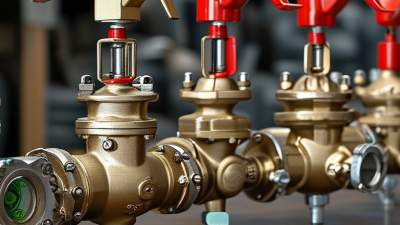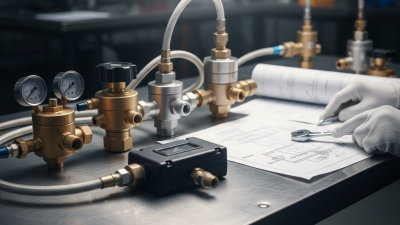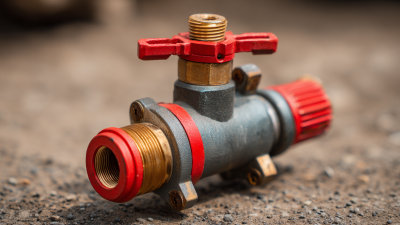
Control Valves do more than open or close a line; they shape flow, pressure, and process stability. For global buyers, choosing a valve means balancing operating conditions, material compatibility, maintenance access, delivery expectations, and total cost. A stainless-steel body may suit one service, while another needs different trim or sealing materials. Small details matter.
Start with process data, not a supplier’s catalog. Confirm the medium, temperature range, pressure, flow capacity, connection type, and actuator requirements with your engineering team. Ask for sizing calculations, test records, material documentation, and clear drawings. These records help compare offers on more than price. They can reveal gaps before equipment reaches the site. Check service support, spare-part availability, and communication across time zones. For projects spanning several countries, clarify packaging, shipping terms, inspection scope, and delivery milestones in writing. Verify required certifications against the destination and application; requirements can vary. Do not assume a familiar label covers every detail.
This guide presents ten practical buying tips for comparing Control Valves and suppliers with greater confidence. It covers questions that reduce uncertainty, from valve type and sizing to quality checks and after-sales support. No checklist replaces sound engineering judgment. Some specifications may remain unsettled early in procurement, and that is worth acknowledging. Revisit them before approval, document decisions, and invite qualified specialists to review critical selections. The right choice is not always the cheapest or most elaborate. It is the one that fits the process, can be verified, and can be maintained reliably.
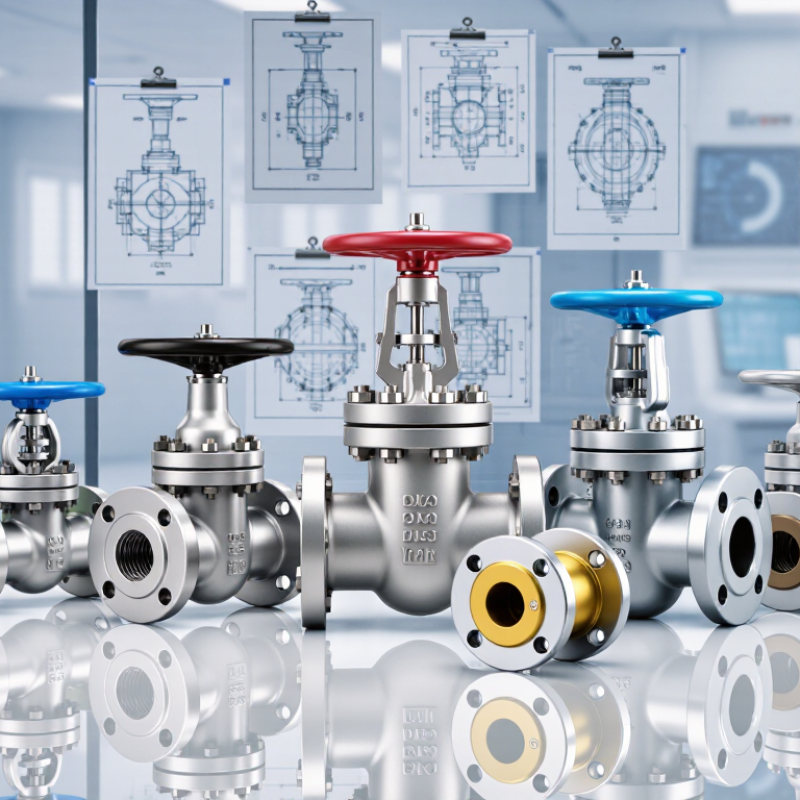
Before requesting quotations, write down what the valve must control: liquid, gas, steam, or a mixture. Record normal and peak flow rates, inlet and outlet pressures, temperature range, and allowable pressure drop. A control valve sized only for average flow may struggle during startup or sudden demand changes. Small details matter. Note whether the fluid carries grit, bubbles, or corrosive components, since these can affect trim selection and service life.
Describe how the process behaves, not just its design point. Does the valve operate steadily, cycle often, or sit nearly closed for long periods? Share the control signal, expected response time, and failure position required by the process. For example, a valve handling hot water may need different materials and actuator capacity than one handling cool, clean water. Include pipe size and available installation space, too. I have seen specifications leave out these practical constraints; it is easy to focus on pressure and overlook access for maintenance. That omission can be costly. Ask suppliers to review the operating range and confirm the proposed valve can provide stable control across it, using documented process data rather than a single assumed operating point.
10 Control Valve Buying Tips for Global Buyers
Select the right valve type before requesting quotations. Globe valves suit precise throttling, while ball valves often reduce pressure loss in on-off service. Butterfly valves can save space, but their control range requires careful review. Define the medium, temperature, pressure, flow range, and failure position. Then check cavitation, flashing, noise, and corrosion risks. Small mistakes become expensive.
Size the valve for normal, minimum, and maximum flow, not only the line diameter. Apply IEC 60534 sizing methods and verify the calculated Cv with operating data. A 2023 report by Grand View Research valued the global industrial control valve market at approximately USD 10.4 billion, reflecting strong demand but not guaranteed technical quality. Market growth does not replace engineering judgment. Avoid selecting an oversized valve “for safety”; it may operate nearly closed and lose control accuracy.
Choose body and trim materials against the actual fluid chemistry. Stainless steel is not automatically suitable for every chloride service. Check elastomer compatibility, erosion velocity, and temperature cycling. Specify actuator torque with a safety margin, then confirm available instrument air or electrical power. Request material certificates, pressure-test records, leakage class, and calibration documents. Ask for spare-part availability in the destination country. Keep the documentation complete. I have seen neat spreadsheets hide one serious weakness: contaminated process fluid was never included in the sizing case. Recheck assumptions with operators before approval.
When buying control valves internationally, performance ratings deserve more attention than catalogue appearance. Check the pressure class, temperature range, flow coefficient, leakage rate, and expected cycle life. A valve rated for 600 psi may not support that pressure at every temperature. Review the derating chart carefully.
Match the valve’s materials to the process fluid, including corrosion risks and cleaning chemicals. Confirm whether Cv or Kv values were measured under comparable conditions. Ask for factory test reports, calibration records, material certificates, and serial-number traceability. These documents reveal more than a polished specification sheet. I also recommend checking actuator response time and fail-safe position during a simulated shutdown. Small delays can create serious process instability.
Global standards improve communication, but they do not replace engineering judgment. Compare applicable ISO, IEC, ASME, or regional requirements with the project specification. Verify that pressure testing, fugitive-emission testing, electrical protection, and functional safety claims use recognized methods. An independent inspection can confirm the stated results before shipment. Do not rely on copied certificates. That mistake is easy to make. It can become expensive after installation, especially when replacement parts cross borders. Leave room for uncertainty, too. Actual field conditions may differ from laboratory testing, so request operating data from similar applications and document every assumption.
A low valve price can hide expensive uncertainty. Global buyers should inspect the supplier’s quality system, not only the product catalog. Ask for recent audit records, inspection plans, and evidence of qualified technicians. Factory visits are useful, but photographs cannot replace witnessed testing. Check whether pressure tests, leakage tests, and actuator calibration follow a documented procedure.
Traceability matters during installation and maintenance. Each valve should connect clearly to its material certificate, serial number, test report, and inspection record. Review the valve size, pressure class, trim material, end connection, and control signal carefully. Small errors create major delays. Documentation should use consistent units and clear revision numbers. Translations may also require technical review.
Delivery performance deserves the same attention as engineering quality. Request a realistic production schedule with hold points for drawing approval, manufacturing, testing, packing, and shipping. Confirm how the supplier handles damaged crates, missing documents, or failed inspections. Experienced buyers usually include spare components and a document checklist in the purchase order. Yet even a detailed checklist can miss local customs requirements. Review it with the site team. Ask one uncomfortable question: what happens if the promised date slips by two weeks? A supplier’s answer often reveals more than a polished presentation.
10 Control Valve Buying Tips for Global Buyers
Compare Total Cost, Maintenance, and After-Sales Support
A low purchase price can hide expensive installation, downtime, and spare parts. Compare the full lifecycle cost, including actuators, positioners, shipping, training, and energy use. Ask for a clear quotation with pressure rating, body material, trim design, and delivery terms. Look beyond price. A valve sized incorrectly may hunt, leak, or damage nearby equipment. Confirm flow data and operating conditions with a qualified engineer before ordering.
Tip 1
Request maintenance records from similar installations. Check expected service intervals, seal replacement time, and access requirements. A valve requiring special tools can increase labor costs across remote sites. Records matter. Also verify material traceability, pressure testing, and relevant inspection documents. Do not accept vague statements about “international standards”; request the exact standard and test scope.
Tip 2
Evaluate after-sales support before signing. Confirm response times, local technicians, spare-parts availability, multilingual manuals, and remote troubleshooting procedures. Support varies. A practical agreement should define warranty limits, escalation contacts, and replacement timelines. Test the process with a technical question. Slow or unclear replies may indicate future delays. I have seen buyers focus on commissioning support while overlooking routine training, which later created avoidable maintenance errors. A stronger decision weighs reliability, service access, and documented performance together.