Why You Need a Pressure Reducer for Your Business?
In today's fast-paced industrial environment, the role of a Pressure Reducer is vital. According to Mark Thompson, an expert in industrial applications, “A reliable Pressure Reducer ensures optimal performance and safety.” Businesses often overlook this crucial component, leading to inefficiencies and risks.
Pressure Reducers regulate fluid and gas pressures, preventing equipment damage and enhancing operational efficiency. Without proper regulation, businesses can face unexpected costs and operational downtime. Mark emphasizes that “neglecting pressure management can compromise both safety and productivity.”
Consider a manufacturing plant where fluctuating pressures can cause machinery to fail. A Pressure Reducer safeguards against these potential failures. However, some companies still hesitate to invest in quality reducers. This reluctance often stems from a lack of understanding of their importance. The need for reliable pressure management should not be underestimated.
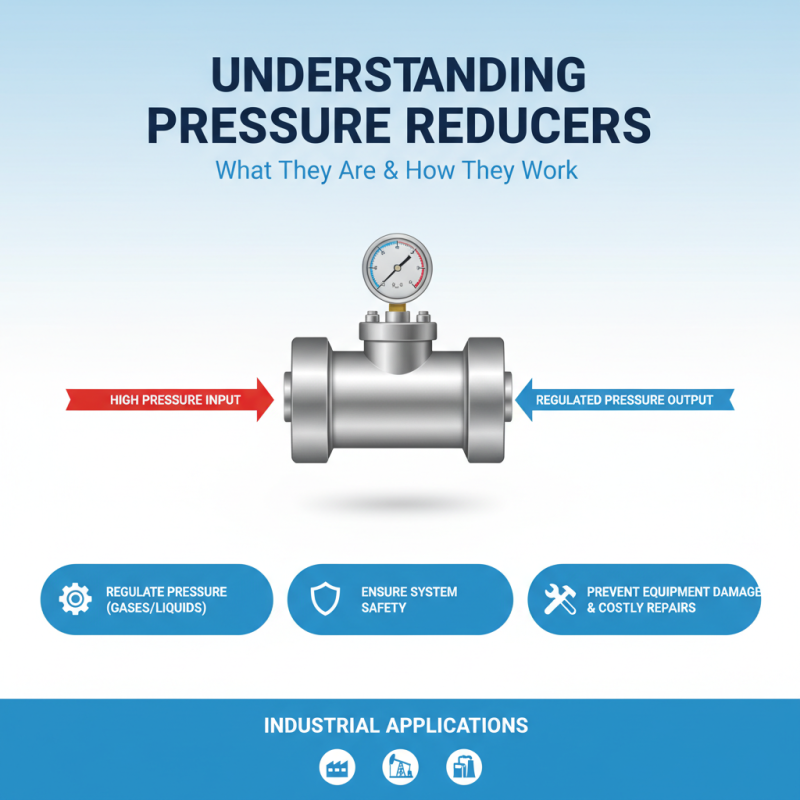
Understanding Pressure Reducers: What They Are and How They Work
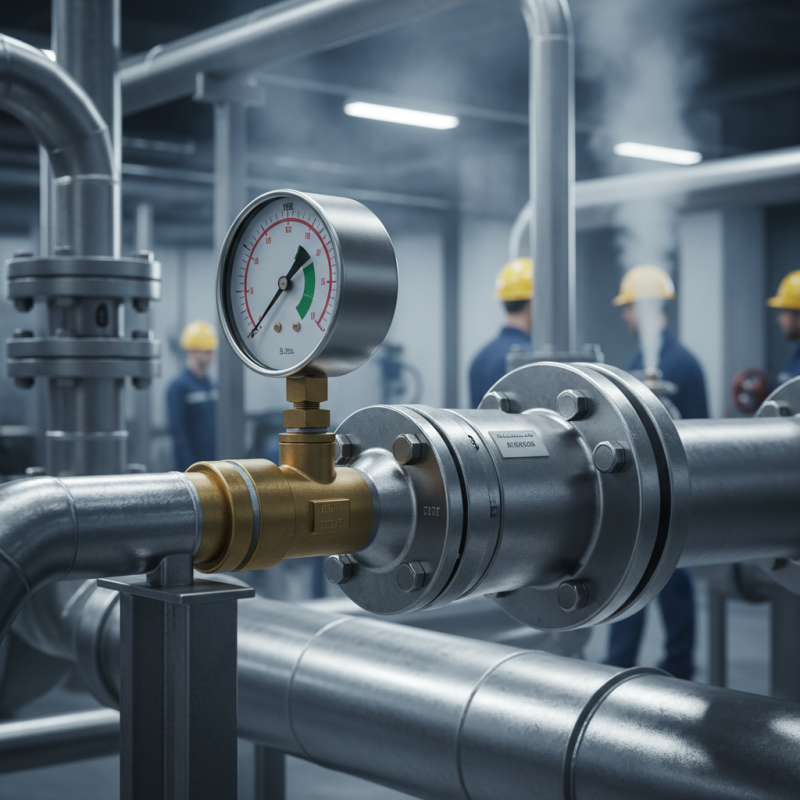
Pressure reducers are crucial in various industrial settings. They regulate the pressure of gases or liquids to ensure systems operate safely. By controlling this pressure, pressure reducers prevent equipment from being damaged. This leads to fewer breakdowns and costly repairs.
Understanding how pressure reducers work is essential. They typically consist of a valve and a spring mechanism. When the input pressure surges, the valve automatically adjusts. It ensures the output pressure remains stable. This functionality protects sensitive machinery from aggressive pressure fluctuations. In high-pressure applications, this control is especially vital.
However, not all systems use pressure reducers effectively. Some businesses overlook maintenance. This can lead to inefficient performance. Regular checks are necessary to ensure optimal function. Relying solely on installation without follow-ups can be a significant risk. Balancing initial setup with ongoing care can maximize the benefits of these devices.
The Importance of Pressure Regulation in Industrial Applications
Pressure regulation plays a crucial role in various industrial applications. Many industries rely on compressed gases and fluids to operate machinery efficiently. According to a recent report by the Industrial Gas Association, improper pressure levels can lead to reduced efficiency, increased operational costs, and safety hazards. Therefore, integrating a pressure reducer becomes essential for maintaining optimal performance.
In industries such as manufacturing, food processing, and pharmaceuticals, maintaining consistent pressure is vital. For example, in food processing, proper pressure ensures product quality and safety. If pressure levels are not regulated, it can result in malfunctions or even contaminations. The National Institute of Standards and Technology states that nearly 40% of industrial accidents are linked to pressure-related failures, highlighting the critical need for accurate pressure management.
Cost implications are also significant. A study by the Energy Information Administration reveals that companies with regulated pressure systems can see up to a 30% reduction in energy costs. Yet, many businesses overlook these systems, which results in inefficient operations. Regularly monitoring and adjusting pressure levels can mitigate such issues, ensuring that resources are not wasted and safety protocols are followed.
Key Benefits of Using a Pressure Reducer in Your Business
Businesses often overlook the importance of a pressure reducer. However, this device provides essential benefits that can help optimize operations. First, it ensures consistent pressure levels in your systems. Fluctuating pressure can lead to equipment wear and failures, causing expensive downtime. A pressure reducer stabilizes the flow, which helps maintain efficiency.
Moreover, using a pressure reducer can improve safety. High pressure can create hazardous conditions, risking employee safety and damaging equipment. By regulating pressure, businesses can create a safer working environment. This not only protects your team but also enhances morale, knowing you prioritize their well-being.
Cost savings are another significant benefit. When pressure is controlled, energy usage decreases. This means lower utility bills and reduced operational costs over time. Yet, many businesses still hesitate. Some might doubt the initial investment, wondering if it's truly necessary. Reflecting on your operations can reveal the hidden costs of not having a pressure reducer in place.
Why You Need a Pressure Reducer for Your Business? - Key Benefits of Using a Pressure Reducer in Your Business
| Benefit |
Description |
Impact |
| Safety Enhancement |
Reduces the risk of equipment failure and accidents by controlling high pressure. |
Minimized downtime and injury-related costs. |
| Consistent Performance |
Maintains steady pressure levels for machinery and processes. |
Improved product quality and operational efficiency. |
| Cost Savings |
Lower energy costs by optimizing pressure use. |
Reduced operational expenses and increased profitability. |
| Equipment Longevity |
Decreases wear and tear on machinery due to excessive pressure. |
Extended equipment lifespan and lower replacement costs. |
| Enhanced Control |
Allows for precise control over pressure applications. |
Greater flexibility in processes and reduced error rates. |
Choosing the Right Pressure Reducer for Your Specific Needs
When selecting a pressure reducer, understanding your specific needs is crucial. Different applications require different pressures. Assess whether your use involves gases or liquids. This helps in making an informed choice.
Consider the flow rate needed for your system. Higher flow rates may require more robust reducers. Take time to review your operational requirements. An ideal pressure reducer maintains consistent pressure, ensuring your operation runs smoothly.
**Tips:** Always review specifications. Check materials for compatibility with your fluids. Look for features that allow easy adjustments. Knowledge about your system's demands can prevent costly mistakes. Don't rush this process; proper selection enhances performance and lifespan. Review your choices periodically to ensure they still meet your evolving business needs.
Common Myths and Misconceptions About Pressure Reducers
Pressure reducers are often misunderstood. Many businesses believe they are unnecessary if the incoming pressure seems manageable. However, a report from the American Society of Mechanical Engineers highlights that fluctuations in pressure can cause mechanical failures. These failures lead to costly downtime, especially in industries like manufacturing and food processing.
Some may think that all pressure reducers are the same. This is not true. The effectiveness of a pressure reducer can vary significantly based on its design and application. According to industry standards, a quality pressure reducer can save up to 20% on energy costs by maintaining consistent pressure. Without proper selection, businesses may waste resources and face operational inefficiencies.
Another common myth is that pressure reducers only offer short-term benefits. In reality, they provide long-lasting advantages. A consistent pressure flow ensures equipment longevity and enhances safety measures in the workplace. When businesses overlook the importance of these devices, they may inadvertently increase risks and operational costs. Addressing these misconceptions is vital for any enterprise looking to optimize its systems efficiently.
Common Myths and Misconceptions About Pressure Reducers
This chart illustrates the common myths and misconceptions about pressure reducers in business, highlighting the percentage of individuals who believe in each myth.