
China Best Low Pressure Regulator Manufacturers?

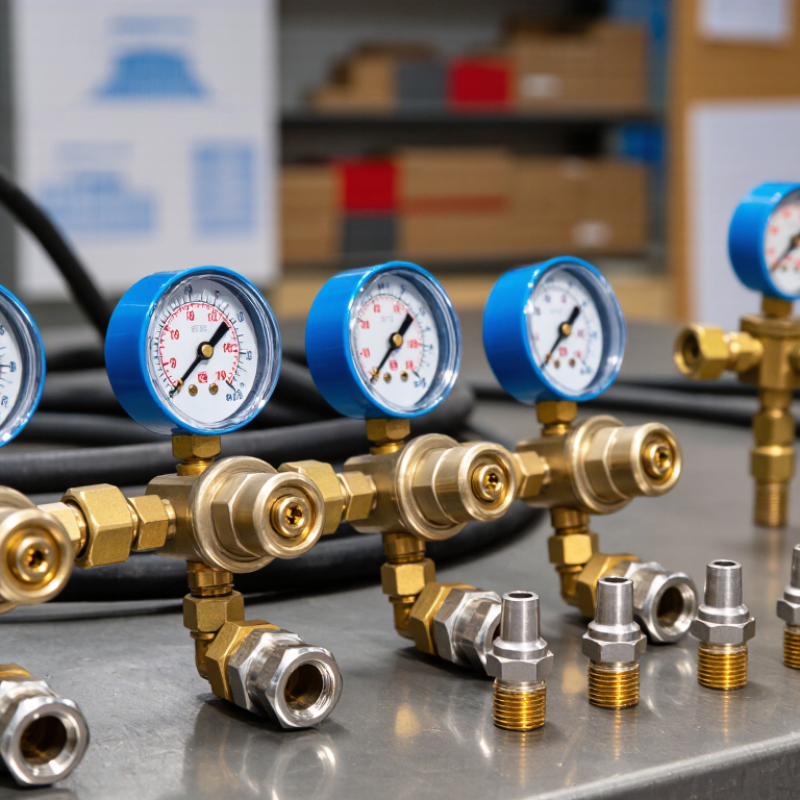
Choosing among China’s best Low Pressure Regulator manufacturers requires more than comparing prices or polished websites. A reliable supplier should demonstrate practical experience, stable production, and clear quality controls. Buyers should examine regulator materials, inlet and outlet pressure ranges, connection sizes, flow performance, and temperature limits. A brass body, clean threads, and a readable pressure gauge can reveal manufacturing discipline. Small details matter.

This guide introduces manufacturers that may serve industrial, commercial, and specialized equipment markets. Their capabilities should be reviewed through factory evidence, product samples, inspection records, and customer references. Look for traceable batches, calibrated test equipment, leak testing, and documented pressure testing. Certifications can support credibility, but they should be verified against the exact product and current production site. A certificate alone proves little.

Communication also deserves attention. Can the manufacturer explain diaphragm selection, sealing materials, adjustment accuracy, and expected service life? Can engineers respond clearly when specifications change? A serious supplier should provide drawings, data sheets, sample approvals, and practical after-sales support. Warranty terms must be specific, not vague promises. Delivery consistency matters too, especially when regulators are installed in systems requiring dependable pressure control.

There is no universal “best” manufacturer. The right choice depends on application, safety requirements, operating environment, order volume, and verification standards. Some suppliers may offer excellent pricing but weaker documentation. Others may provide stronger engineering support at a higher cost. This comparison remains open to revision, because factory performance can change over time. Verify every important claim before placing an order.
China Best Low Pressure Regulator Manufacturers?

Low-Pressure Regulators: 0.5–7 bar Outlet Range and Main Applications

When comparing China’s best low-pressure regulator manufacturers, outlet range matters more than a polished catalog. A 0.5–7 bar regulator can serve delicate instruments, compact burners, process panels, and light industrial equipment. Lower settings support stable downstream pressure for sensitive components. Higher settings suit pneumatic tools, gas distribution skids, and controlled heating systems. The correct choice depends on inlet pressure, flow demand, medium, temperature, and connection size. It sounds simple. It is not.

In practical applications, a laboratory system may need 0.5–1 bar for repeatable testing. A commercial heating line may require 2–4 bar with stronger flow capacity. Pneumatic equipment can need settings near 6–7 bar, but only when hoses and valves support that pressure. Experienced manufacturers should provide flow curves, pressure-drop data, material specifications, and leak-test records. These details reveal more than product photos. They also help engineers avoid unstable outlet pressure during peak demand.

Reliable production requires calibrated test benches, traceable components, and consistent diaphragm performance. For combustible gases, installers must follow applicable local codes and verify ventilation, shutoff devices, and connection integrity. A supplier may claim excellent accuracy, yet real performance can change with temperature and aging. That deserves honest review. I would question any manufacturer that hides test conditions or gives one pressure value without flow information. Clear documentation, responsive technical support, and repeatable samples are stronger signs of professional capability.

How to Evaluate China’s Best Manufacturers: Quality, Capacity, and OEM Data

China Best Low Pressure Regulator Manufacturers?

Evaluating low pressure regulator manufacturers requires more than comparing quotations. During factory assessments, I check material certificates, machining records, and leak-test results. A reliable manufacturer should provide inlet pressure, outlet range, flow rate, and temperature data for each model. Ask for calibration records, not only attractive product photos. A regulator may look precise but perform poorly after repeated pressure cycles. Sample testing matters.

Capacity also needs practical evidence. Review the number of assembly lines, testing stations, trained technicians, and shifts per day. Request recent production records and realistic monthly output. A factory claiming high capacity should explain its lead time during peak seasons. Visit the warehouse if possible. Components scattered across several shelves can reveal weak inventory control. However, one visit cannot prove everything.

OEM capability depends on engineering discipline. Examine drawing revisions, tolerance control, tooling ownership, packaging samples, and change-management procedures. Request data from pilot production and mass production, then compare defect rates. Clear communication about minimum order quantities and mold costs is essential. I have seen factories provide excellent prototypes but struggle with stable volume production. That gap deserves attention. No evaluation is perfect. Leave room for verification.

Core Performance Metrics: ±1% Regulation Accuracy, Cv, and Flow Rate

China Best Low Pressure Regulator Manufacturers?

When evaluating low pressure regulator manufacturers in China, begin with measured performance, not polished catalog language. A reliable regulator should maintain outlet pressure within ±1% under defined inlet and flow conditions. Ask how this accuracy was tested. Was the pressure steady, or did the test include sudden demand changes?

Cv Cv shows how easily the valve passes fluid. A higher Cv does not automatically mean better control. It may create unstable adjustment at low demand. Match Cv with the required flow rate, inlet pressure, outlet pressure, and allowable pressure drop. For example, a regulator serving a small instrument line may need smooth control at 0.5 Nm³/h, not impressive performance at 50 Nm³/h.

Flow rate data deserves careful reading. Check whether figures use air, nitrogen, water, or another approved medium. Different gases can produce different results. I once focused too heavily on maximum flow and overlooked recovery after a quick valve opening. That was a useful mistake.

Request test records, calibration dates, temperature ranges, and repeatability results. Inspectors should also compare several samples from the same production batch. One excellent unit proves little. A dependable manufacturer can explain deviations, identify test limits, and provide clear adjustment procedures. Some datasheets remain vague. That is a warning, not a minor detail.

Chinese Manufacturer Categories: LPG, Natural Gas, Water, and HVAC Regulators

China’s regulator sector is best understood by application, not catalog size. LPG regulators serve cylinders, tanks, and burners, so stable outlet pressure matters during rapid drawdown. The International Energy Agency reported global LPG demand near 330 million tonnes in 2023. This makes leakage control and repeatable shutoff performance important. Natural-gas regulators require different attention. They must handle inlet variation, filtration, and safe relief behavior. Manufacturer audits should examine test benches, material traceability, and batch records. A polished factory tour proves little.

Water regulators protect pumps, valves, and household lines from damaging pressure spikes. The UN World Water Development Report 2024 notes that agriculture represents about 70% of global freshwater withdrawals. This supports demand for dependable pressure management, especially in irrigation. Yet water service is not one design. Drinking-water applications require suitable wetted materials and hygiene documentation. Industrial water may prioritize corrosion resistance. Ask for flow curves, pressure-loss data, and endurance results under actual temperatures. Marketing claims are not test evidence.

HVAC regulators often work inside compact systems, where noise, freezing, and frequent cycling expose weak designs. The International Energy Agency’s Future of Cooling analysis projects that space-cooling electricity demand could more than triple by 2050 without efficiency action. Chinese suppliers therefore need controlled tolerances, low leakage, and documented calibration. Buyers should compare LPG, natural-gas, water, and HVAC lines separately. One supplier may excel at brass water valves but lack gas-control experience. This is easy to overlook. Samples should run through realistic load cycles before approval.

China Best Low Pressure Regulator Manufacturers

Common nominal outlet or set-pressure references for LPG, natural gas, water, and HVAC regulators. These values are application references rather than company or brand performance data.

LPG and natural-gas appliance regulators commonly use approximately 30 mbar and 20 mbar respectively, while water pressure-reducing valves and hydronic HVAC systems commonly use setpoints around 3 bar and 2 bar. Actual selection must follow local codes, inlet pressure, flow rate, temperature, and equipment requirements.

Buyer Verification Checklist: ISO 9001, EN 16129, MOQ, Lead Time, and Warranty

China Best Low Pressure Regulator Manufacturers?

A credible manufacturer should provide more than a scanned certificate. Ask for the ISO 9001 certificate, its validity dates, issuing body, and certified production scope. ISO 9001 confirms a quality management system, not automatic product approval. Request recent inspection records, material traceability, and calibration evidence for pressure gauges. Small details matter.

For LPG applications, verify whether the regulator design falls within EN 16129 requirements. Ask for the applicable test report, product model, inlet pressure range, outlet pressure, and gas category. The report should match the unit you plan to purchase. Do not accept a generic file. It may be outdated.

MOQ affects inventory risk. Request tiered quantities and clarify whether mixed models count toward the minimum. Confirm lead time in writing, including sample approval, production, inspection, and shipping preparation. A promise of seven days may exclude testing. I have seen schedules fail because one spring was unavailable. That detail deserves attention.

Warranty terms should state coverage length, exclusions, claim evidence, replacement timing, and responsibility for transport costs. Ask how serial numbers connect with production batches. A factory video is useful, but an online or third-party audit offers stronger evidence. Keep questions specific. Leave room for doubt. A supplier that answers clearly, admits limitations, and supplies consistent records is usually easier to verify.

China Best Low Pressure Regulator Manufacturers? - Buyer Verification Checklist: ISO 9001, EN 16129, MOQ, Lead Time, and Warranty
Verification Dimension Typical Buyer Benchmark Required Evidence or Data Recommended Verification Method Risk Level if Unverified
ISO 9001 Quality Management A valid ISO 9001 certificate covering the actual manufacturing site and relevant product scope. Certificate number, certification body, issue date, expiry date, manufacturing-site address, and scope covering regulators or gas-control products. Check the certificate directly through the certification body’s public database or request an audit report and current surveillance record. High
EN 16129 Compliance Applicable for non-adjustable regulators, with or without low-pressure safety devices, for butane, propane, and their mixtures within the standard’s stated limits. Test report identifying the exact model, gas type, inlet-pressure range, outlet pressure, capacity, safety-device configuration, and applicable edition of EN 16129. Confirm that the report belongs to the quoted model and not only to a similar product. Verify laboratory accreditation and test scope. High
Product Application The regulator should be matched to LPG type, cylinder or pipeline application, installation orientation, and local connection requirements. Product datasheet, installation instructions, approved gas types, permitted mounting position, connection dimensions, and application limitations. Compare the technical data with the intended market, appliance, cylinder valve, and applicable national installation rules. High
Inlet Pressure Range Common low-pressure LPG designs specify an inlet range compatible with the intended cylinder or supply system; some EN 16129 applications allow inlet pressure up to 16 bar. Rated maximum and minimum inlet pressure, over-pressure resistance, and test conditions. Review the model-specific test report and request pressure-test records for production batches. High
Outlet Pressure Stability The outlet pressure should remain within the declared tolerance across the specified inlet-pressure and flow-rate range. Nominal outlet pressure, pressure tolerance, flow curve, lock-up pressure, and performance data at minimum and maximum flow. Request independent test data or witness a functional test using calibrated pressure gauges and flow equipment. High
Flow Capacity Capacity must exceed the connected appliance demand with a reasonable operating margin. Some EN 16129 low-pressure applications cover capacities up to 4 kg/h. Rated capacity in kg/h or kW, gas conditions used for testing, pressure drop, and minimum stable flow. Calculate total appliance demand and compare it with the regulator’s certified capacity rather than relying only on a nominal model name. High
Safety Devices Where required, include excess-flow, over-pressure shut-off, under-pressure shut-off, or thermal protection appropriate to the application. Safety-device type, activation thresholds, reset method, test procedure, and compatibility with the installation orientation. Verify safety functions through model-specific test records and sample testing before mass production. High
Leak-Tightness Testing Every finished regulator should undergo documented leak testing before shipment. Leak-test pressure, allowable leakage limit, test duration, equipment calibration record, and batch inspection report. Review inspection records and request a pre-shipment inspection covering both external and seat leakage. High
Materials and Corrosion Resistance Materials should be compatible with LPG and the expected environment, with controlled elastomer and metal specifications. Material declaration, body and spring specifications, elastomer compatibility information, coating or plating details, and corrosion-test results where applicable. Check incoming-material records, certificates of conformity, and sample dimensions or hardness against approved drawings. Medium
MOQ Indicative sourcing ranges are commonly about 100–500 pieces for standard models and higher for customized models. MOQ by model, packaging unit, customization surcharge, tooling requirement, and mixed-model order policy. Obtain a written quotation valid for the required specification and confirm whether the MOQ applies per model, color, connection, or shipment. Medium
Sample Availability Standard samples should normally be available before bulk production; customized samples may require tooling or engineering fees. Sample price, sample lead time, shipping terms, sample identification, and whether the sample is from regular production. Order and independently inspect samples before approving drawings, labels, and mass-production specifications. Medium
Lead Time For standard products, approximately 15–35 working days after order confirmation and deposit is a common planning range; customization may take longer. Production lead time, sample lead time, tooling time, raw-material constraints, holiday shutdowns, and shipping-ready date. Request a production schedule with milestone dates and define late-delivery remedies in the purchase contract. Medium
Production Capacity Capacity should support the required monthly volume without weakening inspection or delivery performance. Monthly output, number of assembly lines, critical-process equipment, staffing, subcontracted operations, and recent on-time-delivery data. Conduct a factory audit or remote process review and compare declared capacity with actual purchase-order history. Medium
Traceability Each shipment should be traceable to a production batch, inspection record, material lot, and date code. Lot-number format, batch records, incoming inspection records, final inspection reports, and retention period for quality documents. Request a sample traceability package and verify that the marking on the product matches the shipping documentation. High
Warranty A written warranty of 12–24 months from shipment or installation is commonly requested, subject to correct installation and use. Warranty duration, covered defects, exclusions, claim process, replacement policy, response time, and responsibility for freight or labor. Include warranty terms in the purchase contract and require a corrective-action process for repeated field failures. Medium
After-Sales Support Technical support should be available for installation, troubleshooting, replacement parts, and non-conformity claims. Response-time commitment, technical contact, spare-parts availability, service-language capability, and complaint escalation procedure. Test response quality before ordering by sending technical questions and requesting a documented troubleshooting workflow. Medium
Packaging and Marking Packaging should prevent impact, contamination, moisture damage, and connection-thread deformation during export transport. Packaging specification, carton dimensions, palletization, product markings, batch code, gas-direction arrow, pressure data, and handling instructions. Approve a packaging sample and perform carton-drop or transport-simulation checks for high-volume shipments. Low
Pre-Shipment Inspection Inspection should cover quantity, dimensions, markings, appearance, leak tightness, outlet pressure, and safety functions where fitted. Approved inspection plan, sampling level, acceptance criteria, calibration certificates, inspection photos, and non-conformity report. Use an independent inspection company or buyer-appointed inspector before shipment, especially for the first order. High
Commercial and Contract Terms The purchase order should define the exact model, drawings, standards, acceptance criteria, delivery terms, payment schedule, and remedies. Signed specification, revision-controlled drawings, Incoterms, payment milestones, penalty clause, change-control process, and dispute jurisdiction. Ensure the commercial contract references the approved technical file and prohibits material or design changes without written approval. High
Buyer note: MOQ, lead time, warranty, and pricing are indicative sourcing benchmarks rather than universal requirements. Final acceptance should be based on the exact regulator model, intended gas application, destination-market regulations, current test documentation, and a pre-shipment inspection.