2026 Top Flow Valve Types for Global Buyers?
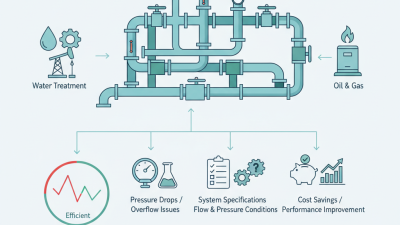
Choosing the right Flow Valve in 2026 demands more than comparing prices or catalog photographs. Global buyers face changing media, pressure ranges, temperatures, automation needs, and maintenance conditions. A valve that performs well on clean water may fail quickly with abrasive slurry, steam, chemicals, or food-grade fluids. Small details matter. Seat material, body alloy, actuator response, leakage class, and connection design can change the entire operating result.
R. W. Zappe, a respected valve engineer and author of the Valve Selection Handbook, stated, “Valve selection is a system decision, not a component decision.” This principle still deserves attention. Ball valves offer fast shutoff and compact construction. Butterfly valves reduce weight and installation space. Gate valves support full-bore isolation, while globe valves provide more precise throttling. Check valves protect pipelines from reverse flow. Control valves manage changing process conditions, but they require careful sizing and tuning.
This guide examines the top Flow Valve types for international purchasing teams in 2026. It considers real operating environments, including dusty factories, coastal plants, chilled-water systems, and high-cycle process lines. It also reviews material traceability, pressure testing, documentation, service support, and relevant industry standards. These factors build confidence beyond a simple product label.
No valve is perfect.
A low-cost choice may create hidden expenses through leakage, downtime, or difficult replacement. Even experienced buyers can overlook installation orientation or maintenance access. That is why reliable selection combines engineering calculations, supplier verification, field experience, and honest review of operating risks. The strongest decision is not always the newest one. Sometimes, it is the valve that can be inspected, repaired, and trusted for years.
What Flow Valves Are and How They Control Fluid Movement
2026 Top Flow Valve Types for Global Buyers?
What Flow Valves Are and How They Control Fluid Movement
Flow valves regulate, start, stop, or redirect liquids and gases inside a piping system. They manage movement through pressure, flow rate, temperature, and fluid properties. A ball valve opens quickly with a quarter-turn, while a butterfly valve saves space in large pipelines. Gate valves suit full-open or full-closed service. Globe valves provide more precise throttling, but they can create higher pressure loss. Check valves prevent reverse flow without regular operator input.
The selection affects safety, energy use, and maintenance. MarketsandMarkets estimates the global valves market could grow from about USD 78.7 billion in 2024 to USD 97.6 billion by 2029. This growth reflects expanding water, energy, chemical, and manufacturing infrastructure. However, market growth does not make one valve type universally suitable. A corrosive liquid may damage ordinary metal trim. A fast-closing valve may also create water hammer, shaking pipes and stressing joints.
Commissioning teams usually verify the valve’s pressure class, flow coefficient, seal material, actuator torque, and failure position. They also check the actual fluid, not only the process diagram. A valve that performs well at 20°C may behave differently with hot oil or abrasive slurry. Cavitation remains easy to overlook. Selection charts simplify decisions, sometimes too much. Global buyers should request test records, material certificates, and documented operating limits before approval. The cheapest quotation can become the most expensive component after repeated leakage, downtime, or replacement.
Main Flow Valve Types and Their Operating Principles
For 2026 buyers, valve selection should begin with operating principle, not catalog popularity.
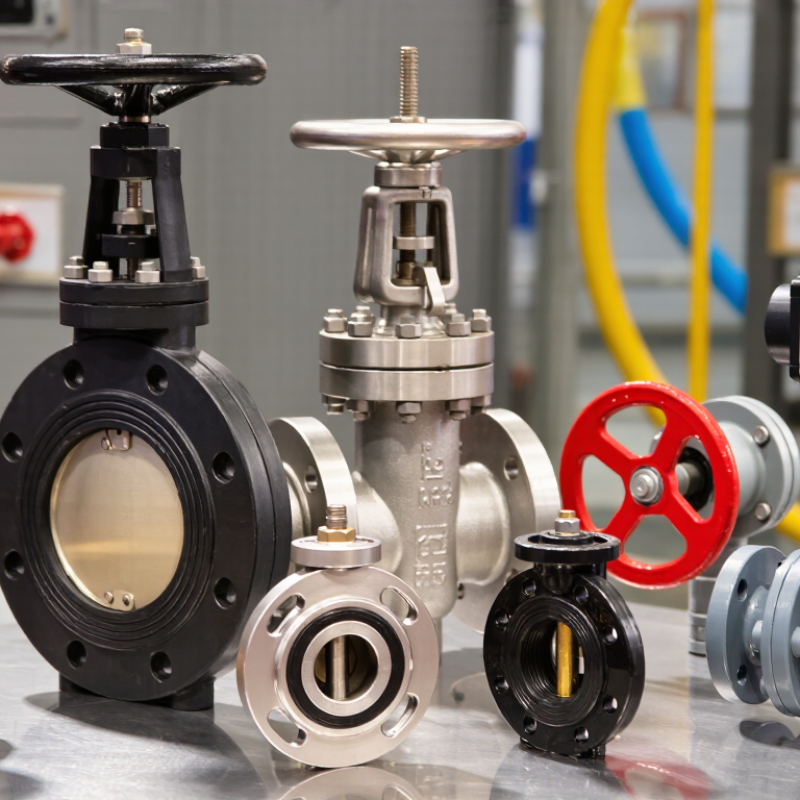
A gate valve lifts a wedge from the flow path, creating low pressure loss when fully open. It is unsuitable for frequent throttling. A globe valve moves a plug toward a seat, offering accurate flow regulation but higher resistance. A ball valve rotates a drilled sphere through 90 degrees. It opens quickly and provides tight shutoff. It seals quickly.
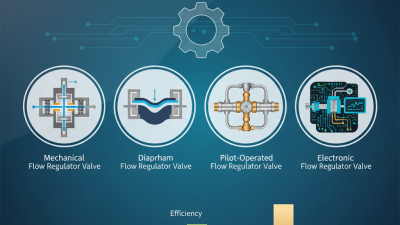
A butterfly valve turns a disc around a shaft, making it compact for large water lines. A check valve uses pressure difference to prevent reverse flow without external power. Control valves adjust position continuously through an actuator and feedback signal.
According to Grand View Research’s Industrial Valves Market report, the global market was valued at about USD 77 billion in 2023, with continued growth expected through 2030. This expansion reflects demand from water treatment, energy, chemical processing, and industrial automation.
Field experience shows that temperature, solids, cycling frequency, and maintenance access often matter more than nominal size. A small check valve can fail noisily when installed near an elbow. A butterfly valve may also suffer disc damage in abrasive service. These details are easy to miss. The MarketsandMarkets industrial valves analysis identifies automation and process efficiency as major demand drivers, yet its projections should not replace site testing. Selection remains imperfect. Engineers should verify pressure class, materials, cavitation risk, and applicable ISO or API requirements before approval.
How to Match Valve Types with Fluids and Applications
2026 Top Flow Valve Types for Global Buyers: How to Match Valve Types with Fluids and Applications
Valve selection should begin with the fluid, not the purchase price. For clean water, resilient-seated gate valves provide low resistance during full opening. Butterfly valves suit larger pipelines where compact installation matters. Check valves help prevent reverse flow, especially near pumps. For accurate throttling, globe or characterized control valves usually offer better regulation than ordinary gate valves.
Fluid behavior changes the decision. Corrosive chemicals may require lined bodies or corrosion-resistant alloys. The NACE IMPACT study estimated global corrosion costs at about 2.5 trillion dollars annually, equal to 3.4% of global GDP. That figure supports careful material selection, but it does not replace laboratory compatibility testing. Temperature, concentration, solids, and cleaning chemicals can change performance quickly. A material chart alone is not enough.
Pressure loss deserves equal attention. A U.S. Department of Energy pumping-system report notes that pumping systems can represent 25% to 50% of industrial facility electricity use. An undersized valve can increase head loss, noise, and operating costs. Select the pressure class, connection standard, actuator, and sealing material together. For steam, use valves rated for temperature and condensate conditions. For slurry, consider abrasion-resistant designs and avoid narrow passages. Small details matter.
A perfect selection is rare. Field conditions often differ from the original datasheet. Recheck actual flow, startup pressure, and maintenance access before ordering.
Key Selection Factors for Global Buyers in 2026
2026 Top Flow Valve Types for Global Buyers
Choosing a flow valve in 2026 requires more than comparing purchase prices. Start with the medium. Water, steam, chemicals, and abrasive slurries demand different valve bodies, seals, and internal designs. Ball valves suit fast isolation, while butterfly valves can reduce weight in large pipelines. Globe valves offer more precise throttling, and check valves help prevent reverse flow.
Pressure, temperature, pipe size, and operating frequency should guide the selection. A valve used near a boiler needs suitable temperature resistance and reliable pressure ratings. For remote systems, buyers should examine actuator power, control signals, emergency positioning, and manual override options. Small details matter. I have seen projects delayed because the actuator voltage did not match the site power supply.
Global sourcing also depends on documentation and verification. Request material certificates, pressure-test records, dimensional drawings, and clear maintenance instructions. Confirm thread, flange, and connection standards before ordering. Local service capacity can matter as much as the valve itself. Spare seals and predictable delivery may protect production better than a slightly cheaper unit. Do not guess. Ask for application data and review the complete specification with an experienced engineer. Even careful selection can miss field conditions, such as unexpected vibration or fluid contamination, so inspection after installation remains worthwhile.
2026 Top Flow Valve Types for Global Buyers
Key selection factors include throttling suitability, isolation performance, and compactness. Ratings use a practical engineering scale from 1 (low) to 5 (high), reflecting the typical function of each valve type rather than any specific brand or manufacturer.
Globe valves are generally preferred for continuous flow regulation, while ball, gate, and butterfly valves are commonly selected for on-off isolation. Final selection should also consider pressure class, temperature, fluid compatibility, actuator requirements, maintenance access, and applicable standards.