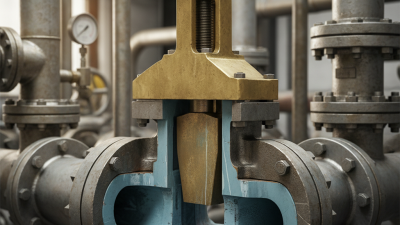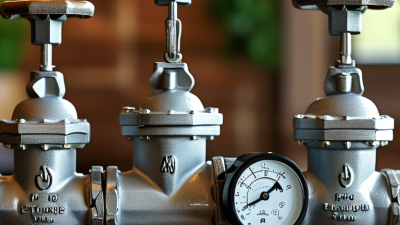
Which Temperature Control Valve Is Best in 2026?

Choosing the best Temperature Control Valve in 2026 requires more than comparing prices or advertised response times. Industrial facilities now expect tighter temperature stability, lower energy waste, easier maintenance, and reliable performance under changing loads. A valve that works well on a clean-water loop may struggle with steam, glycol, oil, or corrosive process fluids. The application decides the answer.

Real-world experience matters here. Engineers typically examine flow rate, pressure drop, operating temperature, fluid properties, connection size, actuator type, and control-signal compatibility. They also check whether replacement parts are available and whether technicians can service the valve safely. Small details matter. A poorly sized valve may hunt constantly, create noise, or react too slowly beside a heat exchanger. That is not always obvious in a product brochure.

There is no universal winner.

This guide compares leading valve designs for practical 2026 applications, including HVAC systems, process heating, cooling skids, and manufacturing equipment. It considers verified specifications, control accuracy, durability, installation demands, and long-term operating cost. Manufacturer claims deserve careful review, especially when testing conditions differ from your plant. I have seen promising selections fail because real flow conditions were never measured properly. That mistake is easy to repeat.

The goal is not to promote one brand blindly. It is to identify which Temperature Control Valve fits your process, risk level, budget, and maintenance capability. Some conclusions may change as technology improves. Good engineering leaves room for that.
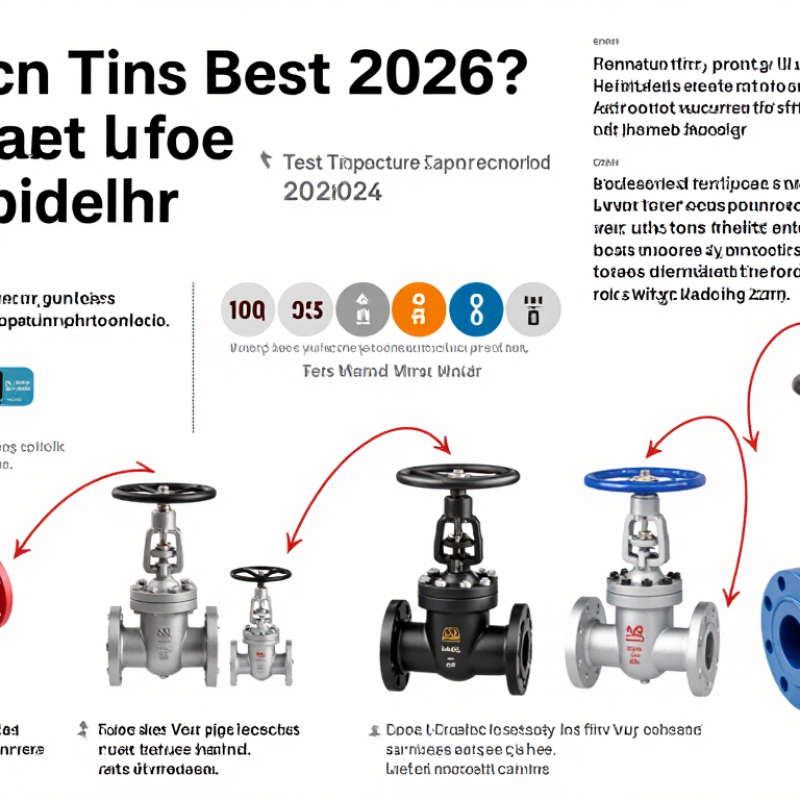
Which Temperature Control Valve Is Best in 2026?

Temperature Control Valves: Purpose, Design, and Core Operating Principles

Temperature control valves regulate fluid flow to maintain a target temperature in heating and cooling systems. They respond to sensor feedback, changing the valve opening as conditions shift. In practice, this prevents overheating, product damage, and unstable process performance. The best valve in 2026 depends on the application, not on a universal ranking.

A typical design includes a valve body, actuator, temperature sensor, and controller. Two-way valves adjust flow through one circuit, while three-way valves blend or divert streams. Electric actuators offer precise modulation and useful diagnostics. Pneumatic actuators can react quickly in demanding industrial environments. Selection should consider fluid type, pressure, temperature range, response time, and maintenance access. A valve that performs well in a laboratory may struggle with dirty water or sudden load changes. That detail is often underestimated.

Tips: Check the actual operating range, not only the catalogue rating. Confirm sensor placement near the controlled zone. Test fail-safe behavior during power loss. Keep a manual override when safe maintenance requires it. During commissioning, record temperature changes at several flow rates. Small delays may reveal poor sizing or an unsuitable control strategy. I have seen stable readings hide uneven temperatures inside a tank. One sensor cannot always describe the whole process. Review the design after real operating data becomes available.

Key Valve Types and How Each Controls Temperature

Choosing the best temperature control valve in 2026 depends on the process, fluid, and required response time.

A thermostatic valve uses a temperature-sensitive element to adjust flow without external power. It works well in showers, heat exchangers, and small heating systems. Set the target carefully. Poor calibration can cause noticeable temperature swings.

A motorized two-way control valve regulates flow through a coil or heater.

A sensor sends temperature data to a controller, which opens or closes the valve gradually. This arrangement offers precise control in industrial water loops and air-handling equipment.

It also needs reliable wiring and correct actuator sizing. An oversized valve may hunt, while an undersized valve may never reach the setpoint.

Three-way valves mix hot and cool streams or divert flow between circuits.

Mixing valves suit hydronic heating, where stable outlet temperature protects equipment and users.

Diverting valves suit systems that switch between a bypass and a heat exchanger.

Solenoid valves provide fast on-off action, but they are less suitable for fine temperature adjustment.

I have seen installation errors matter more than valve type. Reversed flow arrows, weak sensors, and trapped air can undermine a sound design.

Stainless steel may resist corrosion, yet material compatibility still requires checking against pressure, temperature, and fluid chemistry.

The “best” valve is not always the most advanced one. Sometimes, a simple thermostatic design is easier to maintain.

How to Match Valve Materials, Ratings, and Sensors to Applications

Which Temperature Control Valve Is Best in 2026?

Selecting a temperature control valve starts with the process, not the catalog. Check the fluid’s chemistry, operating temperature, pressure, flow rate, and cleanliness. Stainless steel suits many corrosive or hygienic services, while carbon steel can handle less aggressive systems economically. Plastic bodies may work well in low-pressure chemical lines, but temperature limits demand careful attention. Small oversights become expensive leaks.

Pressure and temperature ratings must match real operating conditions, including startup surges and steam hammer. Do not size the valve only for normal flow. A valve operating nearly closed may hunt, create noise, and wear its seat quickly. Use recognized pressure-class calculations and confirm the supplier’s test documentation. Ratings are not decoration.

Sensor choice changes control quality. Resistance temperature detectors provide stable readings in water, oil, and process equipment. Thermocouples respond quickly, especially near furnaces or rapid temperature changes. Place the sensor where it measures the product, not merely the nearby pipe wall. I have seen excellent valves perform poorly because sensors were installed too far downstream. That mistake is easy to repeat. Wireless sensors can simplify installation, but signal reliability and battery life need practical testing. In 2026, the best valve is still the one matched to material compatibility, pressure class, actuator response, and trustworthy temperature feedback. Include maintenance access before approving the design. A perfect specification can still fail in a cramped enclosure.

Which Temperature Control Valve Is Best in 2026?

Matching valve body materials to typical continuous service temperature requirements

Representative upper continuous service temperatures are approximately 60°C for PVC, 80°C for polypropylene, 150°C for PTFE-lined construction, 425°C for carbon steel, 550°C for stainless steel, and 700°C for nickel alloys. Final valve selection must also consider pressure rating, chemical compatibility, trim and seal materials, thermal cycling, and sensor accuracy.

Comparing Response Speed, Accuracy, Energy Use, and Maintenance Needs

Which Temperature Control Valve Is Best in 2026?

Comparing Response Speed, Accuracy, Energy Use, and Maintenance Needs

The best temperature control valve depends on process behavior, not purchase price. Fast-acting valves suit heat exchangers with sudden load changes. Their actuators respond within seconds, limiting temperature overshoot. Slower valves can work better in stable systems. They reduce hunting and unnecessary movement. A commissioning test should record response time, settling time, and peak deviation from the setpoint.

Accuracy also depends on sensor placement, flow conditions, and control tuning. A highly precise valve cannot correct a poorly positioned sensor. In a monitored steam line, a two-degree error may affect product quality or energy use. Engineers should compare measured temperature with calibrated reference equipment. Small errors matter.

Energy consumption deserves equal attention. A valve that closes tightly can reduce steam or chilled-water waste. Excessive pressure drop, however, forces pumps and boilers to work harder. Electric actuators may simplify installation, while pneumatic units can deliver rapid movement in demanding environments. Maintenance needs often decide the real cost. Inspectors should check seals, actuator feedback, strainers, and corrosion during scheduled shutdowns. Modular parts can shorten repairs, but only when replacements remain available.

There is no perfect valve.

One practical weakness is often overlooked: control settings may be blamed for mechanical wear. A poorly tuned loop can cause constant cycling, even with reliable hardware. Reviewing trend data after installation can reveal this mistake before it becomes an expensive maintenance problem.

Selecting the Best Temperature Control Valve for Different Systems

Which Temperature Control Valve Is Best in 2026?

Selecting the best temperature control valve depends on the system, not the calendar. A hot-water heating loop usually needs a modulating valve with stable flow control. Steam systems demand different trim, pressure ratings, and condensate handling. Refrigeration circuits may require fast response and careful material selection.

Begin with the operating temperature, pressure, flow rate, and required accuracy. Calculate the valve’s flow coefficient instead of guessing from pipe size. An oversized valve often hunts near its seat. That creates temperature swings, noise, and unnecessary wear. A properly sized valve responds smoothly, even during low-load periods.

Control signal matters too. Electric actuators suit many clean, accessible installations. Pneumatic actuators can react quickly and provide useful fail-safe action. Check the sensor location carefully. A sensor placed too close to the valve may read turbulence rather than true process temperature.

Field commissioning has taught me that small installation errors can defeat excellent equipment. I once saw a well-selected valve perform poorly because the sensor cable crossed a high-noise power line.

For corrosive fluids, verify body and seal compatibility with the actual medium. Review leakage class, maintenance access, and replacement availability. Energy efficiency also deserves attention, but low power consumption should not replace reliable control. The best choice is the valve that matches the system’s load profile, safety needs, and service conditions. Even experienced engineers should revisit these assumptions when operating data changes.