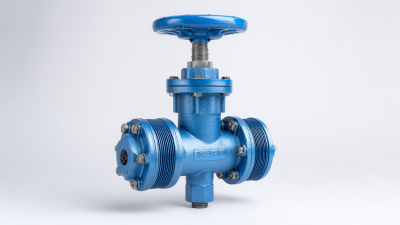
How to Choose the Best Water Pressure Reducer for Your Needs
Choosing the right Water Pressure Reducer is crucial for maintaining optimal water flow. Expert plumber Mark Davis states, “A proper water pressure reducer can save you from costly plumbing issues.” With the right reducer, your plumbing system can perform efficiently.
Many homeowners face challenges with water pressure. Too high pressure can damage pipes and appliances. Conversely, too low pressure may affect daily activities. Understanding your needs is key. Take time to assess your water usage and pressure levels. An informed choice can lead to better comfort at home.
The market offers various water pressure reducers. Each model has unique features and specifications. Research is essential to find the perfect fit. A reliable choice will not only improve performance but also ensure longevity. The importance of this decision should not be underestimated. Consider consulting professionals when in doubt.
Understanding Water Pressure: Ideal Ranges for Household Use
Understanding water pressure is crucial for maintaining a comfortable and efficient home. The ideal water pressure for household use typically falls between 40 and 60 psi (pounds per square inch). This range ensures that fixtures such as sinks, showers, and appliances function effectively without the risk of damage. When the pressure exceeds 80 psi, it can lead to leaks and premature wear of plumbing systems.
Evaluating your home’s water pressure can be straightforward. A simple gauge can measure your current pressure. If the number is high, it impacts the longevity of your plumbing. Remember, too low pressure can also be problematic. Showers may become frustrating, and appliances might not operate optimally. The trick is finding a balance.
Some homeowners may overlook these factors, assuming all is well. They might only address issues after noticing leaks or inefficient appliances. Awareness of your water pressure can save you money and prevent headaches down the road. Regular checks and maintenance can lead to a more reliable plumbing system. Investing time in understanding these details pays off, creating a healthier home environment.
Identifying Signs of Excessive Water Pressure in Your Plumbing
Excessive water pressure can lead to significant plumbing issues. You might notice strange noises in your pipes. High pressure often causes banging or hammering sounds. This could indicate that your plumbing system is under stress. Leaks may also develop as pipes weaken. Regularly check for signs of water leaks around your home. Moisture could signal a problem.
Another indicator is fluctuating water pressure. If your shower suddenly goes from a strong flow to weak, it’s a red flag. Meanwhile, frequently running toilets may waste water and indicate high pressure. Over time, this could increase your water bill. Water stains on ceilings and walls shouldn’t be ignored either—these can stem from hidden leaks resulting from pressure issues.
Consider the condition of your fixtures. If showerheads and faucets frequently clog, excessive pressure might be to blame. It could lead to premature wear and tear on these plumbing components. If you notice these warning signs, it might be time to evaluate your water pressure. A water pressure reducer could be a practical solution to these problems. Paying attention to these details can save you time and money in the long run.
Key Features of Effective Water Pressure Reducers to Consider
When selecting a water pressure reducer, several key features should be considered. One primary aspect is the pressure range it can handle. According to industry standards, effective reducers should allow for a minimum pressure of 10 PSI and a maximum of approximately 150 PSI. This variability provides the flexibility needed for various applications, from residential to industrial.
Another important feature is the material quality. High-grade materials enhance durability and performance. Many units are made from brass or stainless steel, which resist corrosion and withstand varying water conditions. It’s critical to check for certifications, like those from the American Society of Mechanical Engineers (ASME), which indicate reliability and safety.
Performance metrics are also essential. Reports indicate that quality reducers can significantly decrease water costs by managing excessive pressure. Users may notice reduced water consumption by 20-30% when employing an efficient model. However, users should assess installation complexity as well. Some models are easy to install, while others may require professional assistance. Balancing performance with practicality is vital for choosing the best water pressure reducer.
Water Pressure Reducer Features Comparison
Comparing Different Types of Water Pressure Reducers: Pros and Cons
When selecting a water pressure reducer, it’s crucial to understand the different types available. A pressure-regulating valve is one popular option. These valves adjust incoming water pressure to a desired level. They provide a steady flow, protecting pipes and appliances from high-pressure damage. However, installation can be complex, and improper setup may lead to fluctuating pressures.
Another option is the inline pressure reducer. This device is easier to install and can be placed directly on the supply line. Inline reducers are compact and work well for specific appliances. Yet, they may not offer the same level of fine-tuning as other types. Users often report difficulties with maintaining optimal settings. Regular adjustments might be necessary, leading to frustration.
Consideration must also be given to the materials used in your chosen reducer. Brass and plastic options have different durability levels. Brass is generally more robust but can be more expensive. Plastic can be lightweight and budget-friendly, yet sometimes lacks longevity. Weigh the pros and cons based on your unique needs. Your choice should reflect not only a desire for efficiency but also alignment with maintenance capabilities.
How to Choose the Best Water Pressure Reducer for Your Needs
| Type of Water Pressure Reducer |
Pros |
Cons |
| Standard Pressure Reducer |
Affordable, easy to install, suitable for most residential needs |
May not handle extreme fluctuations in pressure |
| Adjustable Pressure Reducer |
Allows for customized pressure settings, versatile for various applications |
Installation can be more complex, potentially higher cost |
| Pneumatic Pressure Reducer |
Excellent for high-pressure systems, provides stable output |
Higher maintenance required, more expensive |
| Electronic Pressure Reducer |
Precise control of pressure, automation features offer convenience |
Complex installation, higher initial investment |
| Spring-Loaded Pressure Reducer |
Reliable mechanical functionality, durable |
Can be less sensitive to changes in pressure |
Installation and Maintenance Tips for Optimal Pressure Regulation
Installing a water pressure reducer requires careful attention. Ensure your tools are clean before starting. Turn off the main water supply. Check the existing pressure levels with a gauge. This helps in selecting the right reducer. The installation process can be straightforward, but many overlook proper fittings. Leaky connections can lead to pressure fluctuations. Use Teflon tape to secure joints. This ensures a reliable seal.
Regular maintenance is essential for optimal performance. Check the pressure settings every few months. Over time, sediment can build up in the reducer. If you notice fluctuations, consider cleaning it. Some homeowners neglect this step. A clear reducer prolongs its lifespan. Flushing it out can significantly improve water pressure stability.
Keep an eye on your water bills as well. Sudden spikes might indicate issues with the reducer. A thoughtfully installed and maintained pressure reducer can prevent larger plumbing problems. Stay proactive with your plumbing system to ensure efficiency in your home.