How to Choose a Gas Regulator Valve?

Choosing a Gas Regulator Valve starts with understanding the system it must serve. The right choice depends on the gas, inlet pressure, required outlet pressure, flow range, and connected equipment. A regulator selected only by pipe size may look suitable, yet struggle when demand changes. The warning signs can be subtle: a burner flame that fluctuates, pressure readings that drift, or a regulator body that vibrates under load.

As a practical selection principle, “A regulator must match the operating conditions, not just the connection.” This is an editorial summary, not a verified quotation from a named expert. A specific expert attribution should be checked against a reliable source before publication.

A careful review considers capacity at the actual inlet and outlet pressures, pressure-control accuracy, response to changing flow, materials, and installation position. Manufacturer data matters. So does the equipment downstream. A valve that performs well at steady demand may behave differently when several appliances start together. That detail is easy to miss.

This guide explains how to compare regulator types, read performance specifications, and identify questions to raise with a qualified gas professional. It also highlights limits: no article can replace system-specific design or commissioning. Check the regulator’s documentation, confirm compatibility, and treat unexplained pressure changes seriously. Small details count.
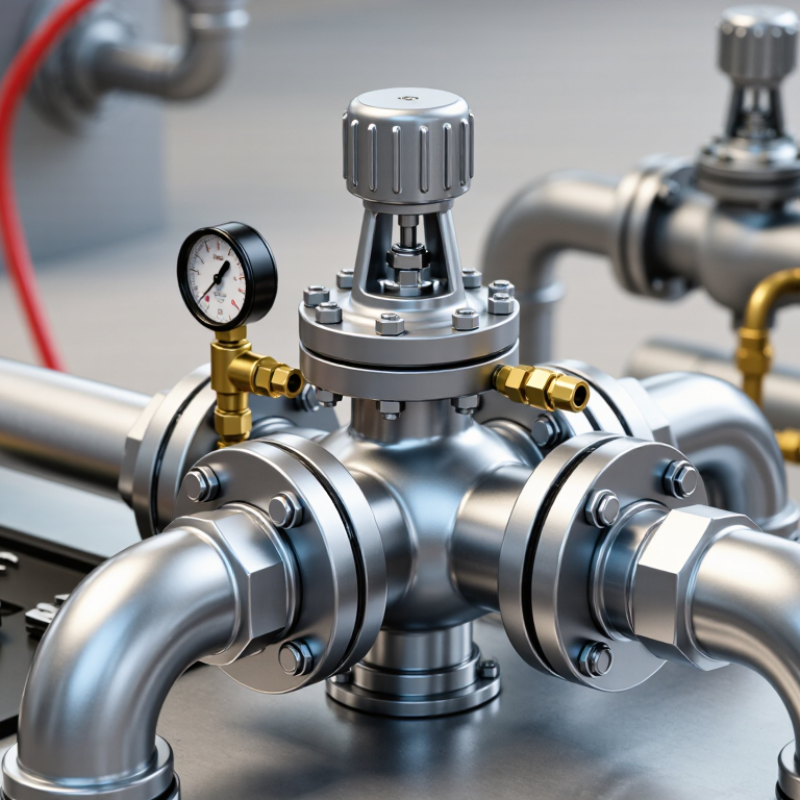
How to Choose a Gas Regulator Valve?

Identify the Gas Type and Operating Conditions

How to Choose a Gas Regulator Valve?

Identify the Gas Type and Operating Conditions

Start with the exact gas, not just the fuel category. Natural gas, propane, and mixed process gases can differ in composition, pressure, and material compatibility. NIST Chemistry WebBook reference data gives methane a normal boiling point of about −161.5°C, compared with propane at about −42.1°C. These figures matter when assessing temperature and whether the gas reaches the regulator as vapor or liquid. Check the gas specification and equipment documentation. A familiar gas name is not enough.

Next, record the inlet-pressure range, required outlet pressure, flow rate, and operating temperature. Include startup, peak demand, and the coldest expected conditions. A regulator sized only for average flow may struggle when several burners start together. Small details matter. Note whether pressure is stated as gauge or absolute; mixing them up can distort calculations. NIST data describes pure substances, while real fuel blends may behave differently, so confirm conditions against the supplier’s gas analysis.

For a practical check, compare the regulator’s rated gas compatibility, pressure limits, capacity, and temperature range with the system data sheet. Record the units beside every value. If the gas composition or supply pressure can change, ask a qualified gas-system professional to review the selection.

I’ve seen one overlooked detail derail a specification: the listed inlet pressure described normal operation, not the higher startup condition. That is easy to miss.

Determine Required Inlet Pressure, Outlet Pressure, and Flow Rate

How to Choose a Gas Regulator Valve?

Determine Required Inlet Pressure, Outlet Pressure, and Flow Rate

Start with the regulator’s full operating range, not just the pressure shown on a gauge today. Record the minimum and maximum inlet pressures, then specify the required outlet pressure under both no-flow and flowing conditions. A regulator may show the correct setting at rest but sag when equipment starts. That pressure drop is called droop. Small detail. It matters. Confirm pressure units, too: confusing gauge pressure with absolute pressure can distort calculations.

Next, calculate peak gas demand from every connected appliance or process, and express flow in units compatible with the regulator’s capacity data. Include startup loads and realistic simultaneous use. EIA’s Natural Gas Annual 2023 reported U.S. natural gas consumption of about 32.5 trillion cubic feet; this national figure shows the scale of demand, but cannot size an individual regulator. For that, use the equipment’s actual flow requirements and the gas supplier’s pressure data. Check the manufacturer’s published capacity at your inlet and outlet pressures, not at a more favorable test condition. A common oversight is selecting for average flow. Leave suitable capacity margin, then verify outlet stability at low flow and peak demand. I would recheck the assumptions; field conditions rarely match a neat spreadsheet.

Select a Regulator Design and Compatible Materials

A regulator should match the gas service, required outlet pressure, and expected flow range. For steady demand and modest pressure changes, a direct-acting design may be sufficient. A pilot-operated regulator can suit higher flow or tighter control, but it needs an appropriate pressure differential and sensing arrangement. Compare performance curves at realistic inlet pressures, not just the nominal rating. Small details matter.

Check every wetted material against the gas, pressure, temperature, and environment. The body may be brass or stainless steel, while seals and diaphragms often use elastomers that respond differently to moisture, oils, or certain gases. Confirm compatibility using technical data from the regulator manufacturer, including temperature limits and seal options. Also consider corrosion, permeation, and whether the regulator vents internally or through a separate connection. I still find material selection less tidy than a chart suggests; actual gas composition and operating conditions can change the answer.

Tips: Ask for the regulator’s flow curve and material specifications. Verify inlet and outlet limits, then have a qualified technician check the proposed setup before installation.

Check Safety Features, Certifications, and Connection Types

A gas regulator should match the gas type, inlet pressure, and required outlet pressure listed for your appliance. Read the data plate before comparing valves. Details matter. Look for clear pressure ratings, a defined flow direction, and a vent that can remain unobstructed in the installed position. Some models include overpressure protection or an excess-flow shutoff; confirm what each feature actually does in the product documentation. A feature name alone is not proof of protection.

Check that certifications apply to the regulator’s intended gas and use, not just to a separate component. Verify the certification mark and supporting documents, and ask a qualified gas professional if the markings are unclear. Connection type is equally important: threaded, flare, and hose connections are not interchangeable. Match the fitting size and thread standard, and avoid forcing parts together. Do not guess. A mismatch may damage threads or leak. After installation, have the connection checked using an approved leak-detection method, never a flame. I once assumed two similar-looking fittings would mate; they did not. Appearance is a poor guide.

How to Choose a Gas Regulator Valve

Check safety features, applicable certifications, and connection types before purchase. The chart counts the checks listed in each category; it is not a product rating.

Safety: Confirm required overpressure protection, correct vent location and clearance, and any required shutoff or leak-test provisions. Certifications: Check approvals and standards applicable to your location, gas, and intended use; verify the documentation matches the exact regulator. Connections: Match both inlet and outlet fittings to the supply and appliance, and confirm the regulator is rated for the gas and operating pressures. Fitting types and requirements vary by application.

Assess Installation, Performance, and Maintenance Requirements

How to Choose a Gas Regulator Valve?

Assess Installation, Performance, and Maintenance Requirements

A suitable gas regulator starts with the installation conditions, not just the pipe size. Confirm the gas type, inlet pressure range, required outlet pressure, and expected flow rate. The regulator’s capacity should cover normal demand without causing pressure swings when several appliances operate together. Check the connection size, mounting position, and available clearance around the valve.

Easy to miss.

Vent location matters. Keep it clear of water, dust, and other obstructions, and follow the regulator manufacturer’s installation instructions. A poorly placed vent can affect operation. Consider how a technician will reach the unit for inspection or adjustment later.

It may seem minor during installation, but cramped access can make routine work harder. A qualified gas professional should verify compatibility, connections, and leak-tightness before the system is used.

Performance needs to remain stable as demand changes. Ask whether the regulator can maintain the required outlet pressure at both low and peak flow, and whether temperature or inlet-pressure changes could affect service. A pressure gauge can help during commissioning and troubleshooting.

For maintenance, look for a design that allows practical inspection of the vent, body, and connections. Follow the specified inspection intervals, and investigate signs such as unstable flame behavior, unusual pressure readings, corrosion, or damaged fittings.

Not every symptom points to the regulator; the whole system may need checking.