How to Choose the Right Low Pressure Regulator in 2026?

Choosing the right Low Pressure Regulator in 2026 starts with the system, not the product brochure. Identify the gas or liquid, inlet-pressure range, required outlet pressure, and peak flow. Then check how pressure behaves when demand rises or falls. That detail matters. A regulator that performs well during a quiet bench test may drift when several outlets open. Record operating temperature, connection size, available space, and whether the installation faces vibration, moisture, or dust. Small details count.

Compare regulator specifications against actual operating conditions, including flow capacity, pressure stability, adjustment range, and compatible materials. Ask the supplier for performance data at your expected inlet and outlet pressures, rather than relying on a headline rating alone. Confirm the installation and maintenance instructions, and verify any certifications required for your application. If the fluid, pressure range, or operating environment is unusual, seek guidance from a qualified engineer or the manufacturer. No selection chart captures every real installation. Sometimes the first estimate is wrong, and that is worth admitting. A careful review of the final setup can reveal issues that a catalogue cannot. The right choice is not necessarily the largest or most expensive model; it is a regulator that reliably meets the system’s needs under realistic conditions.

How to Choose the Right Low Pressure Regulator in 2026?

Define the Operating Conditions and Pressure Requirements

Before comparing low-pressure regulators, define the conditions they must handle. Record the minimum and maximum inlet pressure, required outlet pressure, expected flow rate, and operating temperature. Include the fluid, too, because seals and body materials must suit the service. Small details matter.

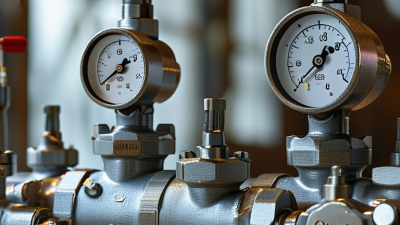
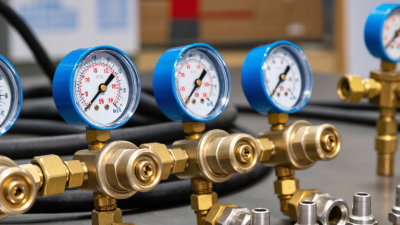
Check pressure during real demand, not only when equipment is idle. A regulator may hold its setpoint at low flow but let outlet pressure fall when several devices run together. Note brief start-up surges and any changes in inlet supply. A pressure gauge near the regulator can reveal fluctuations that a distant gauge may miss. Measure carefully.

Then compare the required outlet range with the equipment manufacturer’s limits. Allow for normal pressure variation, including droop under flow and lock-up when demand stops. Confirm the regulator’s capacity at your actual inlet and outlet pressures; a headline flow figure alone may not reflect those conditions. A spreadsheet can still mislead if its inputs are guesses. I would recheck the figures against operating logs or repeat measurements, especially when demand changes by shift. Slightly inconvenient, but useful. Document the assumptions, units, and measurement locations so another technician can verify them.

How to Choose the Right Low Pressure Regulator in 2026?

Define the Operating Conditions and Pressure Requirements

Example application profile: The chart illustrates a system requiring a steady 2.0 bar(g) outlet pressure as flow increases, while inlet pressure falls from 5.0 to 3.5 bar(g). These values are illustrative, not universal specifications. Confirm actual minimum and maximum inlet pressure, required outlet pressure, flow range, gas or liquid, and operating temperature. Check the regulator’s performance data to ensure it can maintain the required outlet pressure at the highest flow and lowest inlet pressure.

Match Regulator Type to Gas, Fluid, and Application

Choosing a low-pressure regulator starts with the medium, not the outlet-pressure number. A regulator designed for dry air may not suit a corrosive gas or a liquid line. Check wetted materials, seal compatibility, and the manufacturer’s stated service range. Small details matter. A seal that swells can cause sticking or leaks.

For gas service, consider inlet-pressure variation, required flow, and whether the regulator needs to vent excess pressure. A diaphragm model often responds well to modest pressure changes, while a piston design may suit some higher-pressure or demanding applications. For liquids, confirm the regulator is rated for liquid use; gas-oriented models can behave poorly when fluid density and flow change. Match the connection size to the line, too. Bigger is not automatically better.

The application sets the final requirements. A laboratory instrument may need steady outlet pressure at low flow, while a burner or pneumatic tool may draw flow in bursts. Check performance curves at the actual inlet pressure and expected flow, then allow for startup demand. A gauge helps during commissioning. So does a leak check. I would not assume a catalog rating predicts real performance exactly; tubing length, temperature, and changing demand can shift the result. When the medium or operating conditions are unclear, ask a qualified supplier or engineer to verify the selection.

Size the Regulator for Flow Capacity and Pressure Stability

How to Choose the Right Low Pressure Regulator in 2026?

Size the Regulator for Flow Capacity and Pressure Stability

A regulator’s set pressure at zero flow tells you very little about performance. Size it against the highest expected demand, then check its flow curve at the actual inlet pressure and outlet setting. For example, a line drawing 18 standard liters per minute may need a unit rated above that demand at its working pressure—not merely one with a matching port size. Leave room for brief peaks. Small margin, big difference.

Pressure stability matters just as much. A regulator that droops during a sharp demand spike can leave a pneumatic tool sluggish or make a burner’s control pressure wander. The U.S. Department of Energy’s Improving Compressed Air System Performance: A Sourcebook for Industry reports that raising compressed-air system pressure by 2 psi can increase energy use by about 1%. That is a system-level estimate, not a regulator-sizing rule, but it cautions against compensating for poor sizing by increasing pressure.

Compare inlet-pressure range, outlet-pressure accuracy, and droop data under flow. Check whether published capacity uses your gas and reference conditions; standard liters per minute can be misleading otherwise. A filter, long narrow tubing, or partly blocked fitting can also steal pressure downstream. I still see this missed in otherwise careful designs. Test the regulator at peak flow, with the real tubing and load, and record the outlet pressure as demand changes.

Check Materials, Connections, and 2026 Safety Standards

How to Choose the Right Low Pressure Regulator in 2026?

Start with the gas or fluid, operating pressure, flow rate, and temperature—not just the pipe size. Brass may suit some clean, dry services, while stainless steel can better resist corrosion in harsher environments. Check wetted parts and seal compatibility against the actual media. A mismatched elastomer can swell or harden. Fit matters.

Connections need equal care. Confirm thread type, port size, pressure rating, and installation direction before ordering. A familiar-looking thread may still be incompatible. For pneumatic equipment, ISO 4414 sets safety requirements for pneumatic systems; process piping may require different rules, such as the applicable edition of ASME B31.3. In 2026, verify the current local requirements and equipment documentation for your application. Standards are not interchangeable.

Size the regulator for both normal demand and short flow peaks. Sizing from inlet pressure alone is tempting, and often wrong: excessive droop can leave a downstream tool under-pressurized. The U.S. Department of Energy’s 2016 Improving Compressed Air System Performance sourcebook reports that system improvements can reduce compressed-air energy use by 20–50%. That is a system-wide potential, not a regulator guarantee. Check the regulator’s flow curve, outlet stability, and lock-up pressure, then test with a downstream gauge under real operating conditions. Leave room for uncertainty.

How to Choose the Right Low Pressure Regulator in 2026? - Check Materials, Connections, and 2026 Safety Standards

Selection dimension Options or information to check Practical selection guidance Safety and standards check
Gas type Natural gas, propane (LPG), or another specified fuel gas. Choose a regulator explicitly rated for the fuel and its composition. Do not assume a natural-gas regulator is suitable for propane or vice versa. Confirm the regulator, seals, and connected appliance are approved for the intended gas and installation location.
Outlet pressure Required outlet pressure and allowable tolerance, as stated on the appliance nameplate or in its instructions. Common appliance examples include about 7 in. water column (1.74 kPa) for some natural-gas systems and 11 in. water column (2.74 kPa) for some propane systems. These are examples, not universal settings. Set and verify pressure with a suitable gauge according to the appliance and regulator instructions. Do not rely on a typical value in place of the specified value.
Inlet pressure and capacity Minimum and maximum inlet pressure; required flow or appliance demand, commonly listed in BTU/h or kW. Check the regulator’s capacity at the actual inlet and outlet pressures. Include the combined demand of appliances that may operate at the same time. A connection size alone does not establish adequate capacity. Use the manufacturer’s capacity data and installation limits.
Body and internal materials Body material, diaphragm and seal materials, temperature range, and compatibility with the fuel. Materials may include brass or aluminum bodies and elastomeric diaphragms or seals. Choose based on documented gas compatibility, pressure rating, temperature, and exposure—not material name alone. For outdoor or corrosive environments, confirm the specified corrosion resistance and weather suitability. Follow inspection and replacement guidance.
Connection type and size Thread or fitting type, nominal size, and whether each connection is inlet or outlet: for example, NPT, BSP, or a specified flare connection. Match the exact thread standard and fitting type. NPT and BSP threads are different and should not be treated as interchangeable. Use approved adapters only where permitted. Use the correct gas-rated sealing method for the connection. Follow the fitting and regulator instructions; do not apply thread sealant to flare sealing surfaces.
Vent and installation position Vent orientation, required clearance, indoor or outdoor rating, and any vent piping requirements. Install in the orientation specified for the model. Keep vents unobstructed and protect them from water, debris, and other conditions identified in the instructions. Vent location and discharge requirements depend on the regulator design and local code. Have a qualified gas professional assess the installation.
Overpressure protection Whether the design includes a relief feature, internal monitor, or requires separate downstream protection. Determine protection requirements from the system design, maximum inlet pressure, appliance limits, and regulator instructions. A relief feature is not a substitute for correct sizing or required system safeguards. Do not block or alter a relief or vent opening.
Applicable standards and approvals Product certification or listing, applicable product standard, installation code, and local authority requirements. Depending on the product and region, relevant references can include UL 144 for LP-gas regulators, EN 88-1 for certain gas-appliance pressure regulators, and fuel-gas installation codes such as NFPA 54 or CSA B149.1. Applicability varies by regulator type, use, and jurisdiction. For a 2026 purchase, verify the current adopted edition, certification scope, and local requirements with the authority having jurisdiction.
Commissioning and maintenance Leak testing, outlet-pressure checks, inspection intervals, and replacement criteria in the product and appliance instructions. After installation, verify tightness and operating pressure using approved procedures. Replace damaged, leaking, or out-of-specification equipment rather than attempting unauthorized repairs. Gas work can create fire, explosion, or carbon-monoxide hazards. Installation, adjustment, and testing should be performed by a qualified professional where required.

Note: Pressure examples and standards are provided for general comparison only. Confirm the exact regulator specification, current local code, and appliance requirements before selection or installation.

Compare Models and Verify Performance Before Installation

Choosing a low-pressure regulator in 2026 starts with the operating conditions, not the product photo. Compare each model’s inlet-pressure range, outlet setpoint, flow capacity, and connection size against your system. A regulator rated for the right pressure may still struggle when several appliances run at once. Check the specified gas or fluid compatibility, body materials, temperature range, and venting requirements. Small details matter. For example, a 1/2-inch connection does not guarantee enough flow; internal design and pressure drop also affect performance. Model charts can be confusing, and published figures may reflect ideal test conditions. Treat them as a starting point.

Before installation, verify the selected model against expected minimum and peak demand. Use a suitable, calibrated gauge to check outlet pressure at low flow and while the system draws its normal load. Watch for pressure drift, delayed response, or a sharp drop when demand increases. Check connections and vent orientation against the manufacturer’s instructions, then perform the specified leak test with an approved method. Never assume factory settings match your setup. I have seen a regulator appear stable during a quick bench check, then behave differently under sustained flow. Record the inlet pressure, outlet readings, test conditions, and model number; those notes make later troubleshooting much less guesswork.