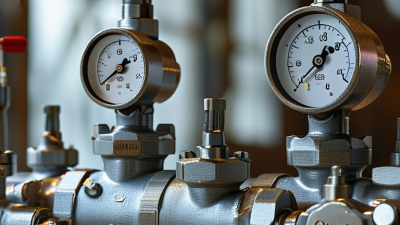
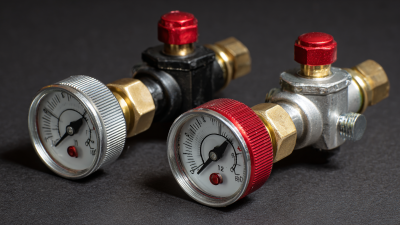
China Top Gas Regulator Valve Manufacturers?
China’s gas equipment sector includes manufacturers serving residential, commercial, and industrial applications. Choosing a Gas Regulator Valve supplier requires more than comparing prices or catalog dimensions. Buyers should examine pressure range, flow capacity, materials, connection types, and documented testing. A small mismatch can cause unstable outlet pressure or poor performance under changing demand.
This guide will help readers assess Chinese manufacturers through practical criteria: product range, engineering support, quality controls, certifications, and export experience. Look for clear technical datasheets, traceable test records, and responsive answers about operating conditions. Ask how the valve performs when inlet pressure shifts or downstream demand rises. Details matter.
“Reliable regulation begins with matching the valve to the real operating conditions.” This is an editorially written engineering principle, not a verified quotation from a named expert. No source material was provided to confirm an expert’s name or exact words, so attributing a quotation would risk misleading readers. That limitation matters. Manufacturer claims also deserve careful review: brochures can be polished, while service records and test documentation reveal more. Use the comparisons ahead as a starting point, then confirm specifications directly with each supplier.
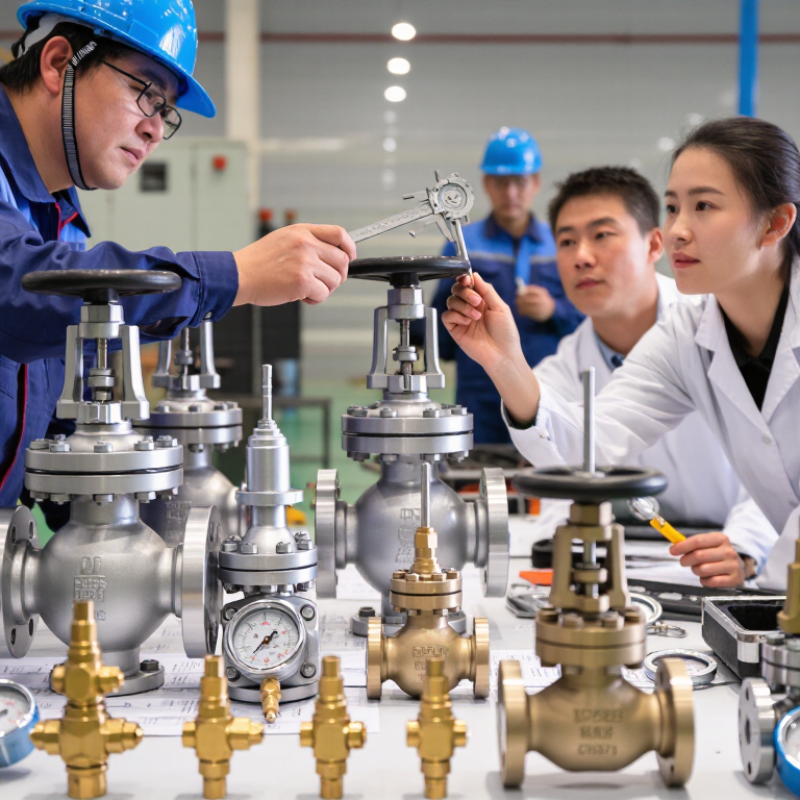
What Gas Regulator Valves Do and Where They Are Used
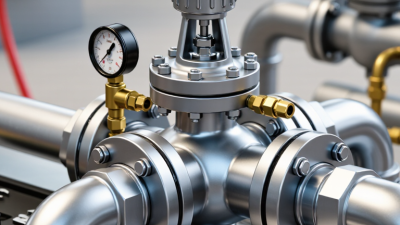
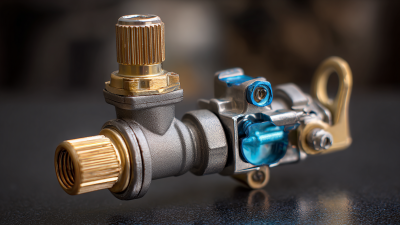
A gas regulator valve reduces inlet pressure and holds downstream pressure within a usable range as supply conditions change. In practice, it helps deliver steady gas to a building’s appliances or an industrial burner. Inside the valve, a diaphragm senses pressure and moves a control element; a vent and filter also need to stay clear. Small parts matter.
Regulators are used across gas distribution systems, service connections, commercial kitchens, heating equipment, and industrial processes. At a home meter, a service regulator lowers network pressure before gas reaches a furnace or cooker. Larger installations may use multiple stages to control pressure more gradually. The IEA’s Gas 2024 report projected global gas demand would rise by about 2.5% in 2024, or roughly 100 billion cubic metres. That projection points to continued demand for dependable pressure control, though it does not measure regulator performance directly.
Selection depends on gas type, inlet-pressure range, required flow, outlet pressure, and expected operating conditions. A regulator sized only for average flow may struggle during peak demand. That control matters. Installers should also check vent orientation, accessible shutoff points, and signs of corrosion or blockage. “Set and forget” is misleading: periodic inspection can catch drift or damage, but exact maintenance intervals depend on the equipment and site conditions.
How China’s Gas Regulator Valve Industry Is Structured
China’s gas regulator valve industry is a network, not a single production line.
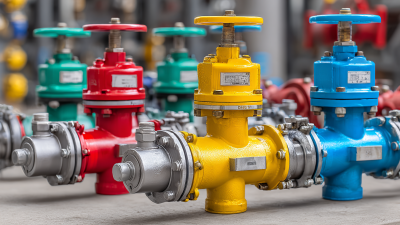
Specialized workshops may machine valve bodies, while other firms produce springs, diaphragms, seals, or sensing components. Assembly manufacturers bring these parts together and set regulators for defined pressure ranges and flow conditions. Some suppliers focus on residential meters; others serve commercial equipment or industrial gas systems. The boundaries can blur. Small firms sometimes handle several stages, which makes supplier descriptions worth checking carefully.
Testing and technical support also shape the industry. A regulator is more than a metal housing: stable outlet pressure depends on material choice, seat design, spring behavior, and the gas conditions specified for use. Buyers typically compare pressure range, flow capacity, connection type, temperature limits, test records, and traceable documentation. Ask how performance is verified under changing inlet pressure, not only at one steady bench setting. Details matter. Export-oriented manufacturers may prepare documentation for different markets, but requirements vary, so buyers should confirm applicable standards independently. The structure is practical, but not perfectly tidy; capability can differ between product lines, even within one factory. That deserves a closer look.
How to Compare Quality, Certifications, and Technical Support
Choosing among gas regulator valve manufacturers in China takes more than comparing prices and product photographs. Check the stated inlet and outlet pressures, flow capacity, materials, and operating temperature. Ask for test records linked to the exact model, including leakage and pressure-cycle results. Small details matter. Confirm thread or connection types and component traceability before comparing quotations. Certifications also need context: verify the issuing body, validity, and covered product or facility. A factory quality certificate may not certify a particular valve. It is an easy distinction to overlook. Compare documents with the requirements for the valve’s intended application and destination market.
Technical support can reveal how well a supplier handles real installation questions. Ask who reviews sizing, what drawings and manuals are provided, and how quickly technical queries receive a clear answer. Request a sample response to a specific scenario, such as a pressure range or gas compatibility question. Useful support should explain assumptions, not just send a catalogue. Check spare-part availability, warranty terms, and the process for reporting a fault. A fast reply is not always a good reply. I would give more weight to precise, documented answers than confident promises, though response quality can vary between staff members. A short technical call may expose gaps that polished sales material does not.
Factors to Consider When Choosing a Chinese Manufacturer
China Top Gas Regulator Valve Manufacturers?
Choosing a Chinese manufacturer starts with the service conditions, not the catalogue. Define the gas composition, operating pressure, temperature range, flow requirement, and connection type before comparing quotations. IEA’s Gas 2024 report projected global gas demand growth of about 2.5% in 2024, making dependable equipment and documentation especially important across expanding supply chains. That figure describes market demand, not valve quality.
Ask for material certificates linked to the actual valve parts, pressure-test records, and clear procedures for inspection and traceability. For relevant designs, check testing against ISO 5208 and fugitive-emissions testing against ISO 15848-1. Verify the pressure and temperature limits on the datasheet against your real operating envelope. Small details matter. A neatly stamped certificate is not enough if its heat or batch number cannot be matched to the delivered body and trim.
Assess manufacturing consistency through a factory audit or a witnessed sample inspection, and agree on acceptance criteria before production. Check lead times, spare-part availability, and how technical questions are handled after shipment. I would not treat a polished factory tour as proof; paperwork can look cleaner than production. Compare suppliers using the same specification and test requirements, then investigate unexplained price gaps rather than assuming the lowest quote is the best value.